
Hernia Surgery Recovery Timeline: Day 1 to 6 Weeks

Introduction: When Will I Feel Normal After Hernia Surgery?
If you are planning hernia surgery, one question probably matters almost as much as the operation itself:
“How long will it take me to recover?”
Will you be able to walk the next day? When can you return to the office? When is driving safe? And when can you finally lift something heavy again?
The answer is not exactly the same for everyone.
Recovery depends on the type and size of the hernia, whether you have open or laparoscopic hernia surgery, your age, general health, type of work and whether the operation was straightforward or complicated.
For an uncomplicated inguinal hernia repair, many patients go home on the same day. Returning to light work may be possible in around 1–2 weeks, while complete recovery can take approximately 4–6 weeks or longer.
Here is a simple timeline explaining what patients may expect.
What Is a Hernia?
A hernia develops when tissue or part of an organ pushes through a weak area in the surrounding muscle or abdominal wall.
Common types include:
- Inguinal hernia – develops in the groin
- Umbilical hernia – occurs around the belly button
- Incisional hernia – develops near an old surgical scar
- Femoral hernia – occurs around the upper thigh or groin
- Ventral hernia – develops through the abdominal wall
Some hernias remain small for a long time, while others grow or become painful.
Symptoms of a Hernia
A hernia may appear as a visible or noticeable lump.
Common hernia symptoms include:
- A bulge in the groin or abdomen
- Pain or discomfort at the swelling
- Heaviness or pressure in the affected area
- Pain while coughing
- Discomfort while lifting something heavy
- Pain while standing for a long time
- Swelling that becomes more noticeable while straining
A lump may sometimes disappear when lying down and appear again while standing, coughing or straining.
Sudden severe pain, vomiting or a hernia that becomes stuck and cannot be pushed back may indicate an incarcerated or strangulated hernia and requires urgent medical assessment.
What Causes a Hernia?
A hernia develops because there is weakness or an opening in the muscle or abdominal wall.
Factors that may contribute include:
- Weakness present from birth
- Age-related weakening of muscles
- Previous abdominal surgery
- Repeated heavy lifting or straining
- Chronic coughing
- Constipation and repeated straining
- Pregnancy
- Increased pressure inside the abdomen
- Family or connective-tissue factors
However, there may not always be one obvious cause.
A dedicated article on causes of hernia and hernia prevention can discuss these factors in much greater detail without mixing them into this recovery guide.
How Is a Hernia Diagnosed?
Many hernias can be identified through a physical examination.
Your doctor may examine the swelling while you are standing, coughing or straining.
When more information is required, tests may include:
- Ultrasound
- CT scan
- Blood tests in selected cases
- Other investigations depending on the location and symptoms
The surgeon will also consider your health, age, hernia size and previous operations before recommending treatment.
Treatment: How Is a Hernia Repaired?
Surgery is the definitive way to repair a hernia, although some people with minimally symptomatic inguinal hernias may be suitable for watchful waiting after medical evaluation.
There are two common approaches.
Open Hernia Repair
The surgeon makes one incision near the hernia, places the tissue back in its correct position and repairs the weak area.
Mesh may be used to strengthen the repair depending on the type of hernia and surgical plan.
Laparoscopic Hernia Repair
During laparoscopic hernia surgery, the surgeon works through several small incisions using a camera and specialised instruments.
Mesh is commonly placed over the weak area from inside the abdominal wall.
For suitable inguinal hernias, minimally invasive repair may offer advantages such as less postoperative discomfort and a quicker return to normal activity in some patients.
The best technique depends on the individual patient rather than one method being automatically better for everyone.
Hernia Surgery Recovery Timeline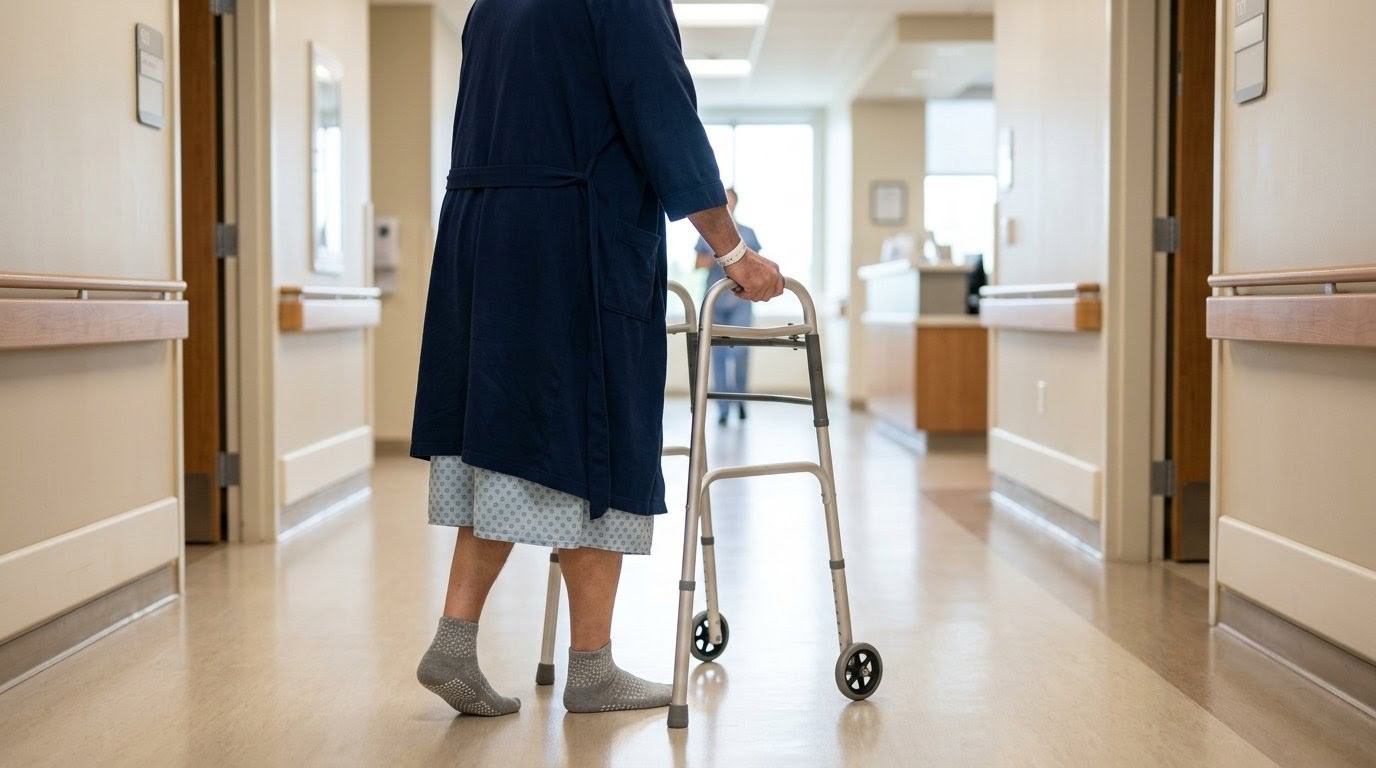
Now to the question most patients want answered.
First 24 Hours: Surgery Day
After the operation, you are moved to a recovery area while the effects of anaesthesia wear off.
Nurses monitor your:
- Blood pressure
- Breathing
- Pain
- Wound
- Ability to walk
- Ability to urinate when necessary
Many uncomplicated hernia repairs are performed as day-care procedures, meaning patients can often return home on the same day.
Some soreness is expected.
You may feel tired, sleepy or slightly nauseous from anaesthesia.
After laparoscopic surgery, some people also experience temporary bloating or shoulder discomfort because gas is used during the operation.
Main goal: Rest, control pain and begin gentle movement when your healthcare team says it is safe.
Days 1–3: Gentle Movement Begins
The first few days are usually when soreness is most noticeable.
You may experience:
- Pain around the surgical area
- Mild swelling
- Bruising
- Tightness while standing
- Discomfort while coughing or getting out of bed
Gentle walking is usually encouraged rather than staying in bed all day. SAGES recommends walking beginning around the day after surgery, while individual activity restrictions should be discussed with the surgeon.
Take prescribed or recommended pain medicines exactly as instructed.
Avoid trying to prove that you are “fully recovered” just because you can walk comfortably.
Your tissues are still healing.
Days 4–7: Getting More Comfortable
By the end of the first week, many uncomplicated patients begin noticing improvement in pain and movement.
You may be able to:
- Walk more comfortably
- Move around the house normally
- Perform simple daily activities
- Spend less time resting in bed
- Gradually reduce pain medicines if your doctor advises it
Some bruising or swelling can remain for a couple of weeks after inguinal hernia surgery, so seeing mild swelling does not necessarily mean that something has gone wrong.
However, swelling that is rapidly increasing, very painful, hot, red or associated with fever should be assessed.
Week 1–2: Returning to Light Routine
This is when many patients start asking:
“Can I go back to work now?”
For uncomplicated groin hernia repairs, returning to work may be possible after approximately 1–2 weeks, provided the job does not involve heavy lifting.
Someone working on a computer may return earlier than someone whose job involves:
- Construction
- Warehouse work
- Heavy lifting
- Repeated bending
- Strenuous physical activity
Your job matters as much as the number of days since surgery.
Do not copy another patient's timeline.
Weeks 2–4: Building Strength Gradually
By this stage, many patients feel significantly more normal.
Walking and everyday activities can usually be increased gradually according to comfort and the surgeon's instructions.
The wound should continue healing, and soreness should generally be improving rather than becoming worse.
A follow-up appointment may also occur during the early weeks after surgery. SAGES notes that follow-up after ventral hernia repair is commonly scheduled within approximately 1–4 weeks, depending on the surgeon and procedure.
This visit is a good time to ask about:
- Exercise
- Driving
- Returning to the gym
- Heavy lifting
- Work
- Remaining swelling
- Wound healing
Weeks 4–6: Moving Toward Full Recovery
For inguinal hernia repair, overall recovery commonly takes up to approximately 4–6 weeks, although some people need longer.
At this stage, many patients may be approaching their normal routine.
But there is an important warning:
Feeling good does not automatically mean every activity is safe.
The NHS advises avoiding heavy lifting and strenuous activity for at least 4–6 weeks after inguinal hernia repair, while surgeons may give different instructions depending on the repair and the patient.
Always follow the restrictions given by your own surgeon.
Laparoscopic vs Open Hernia Surgery Recovery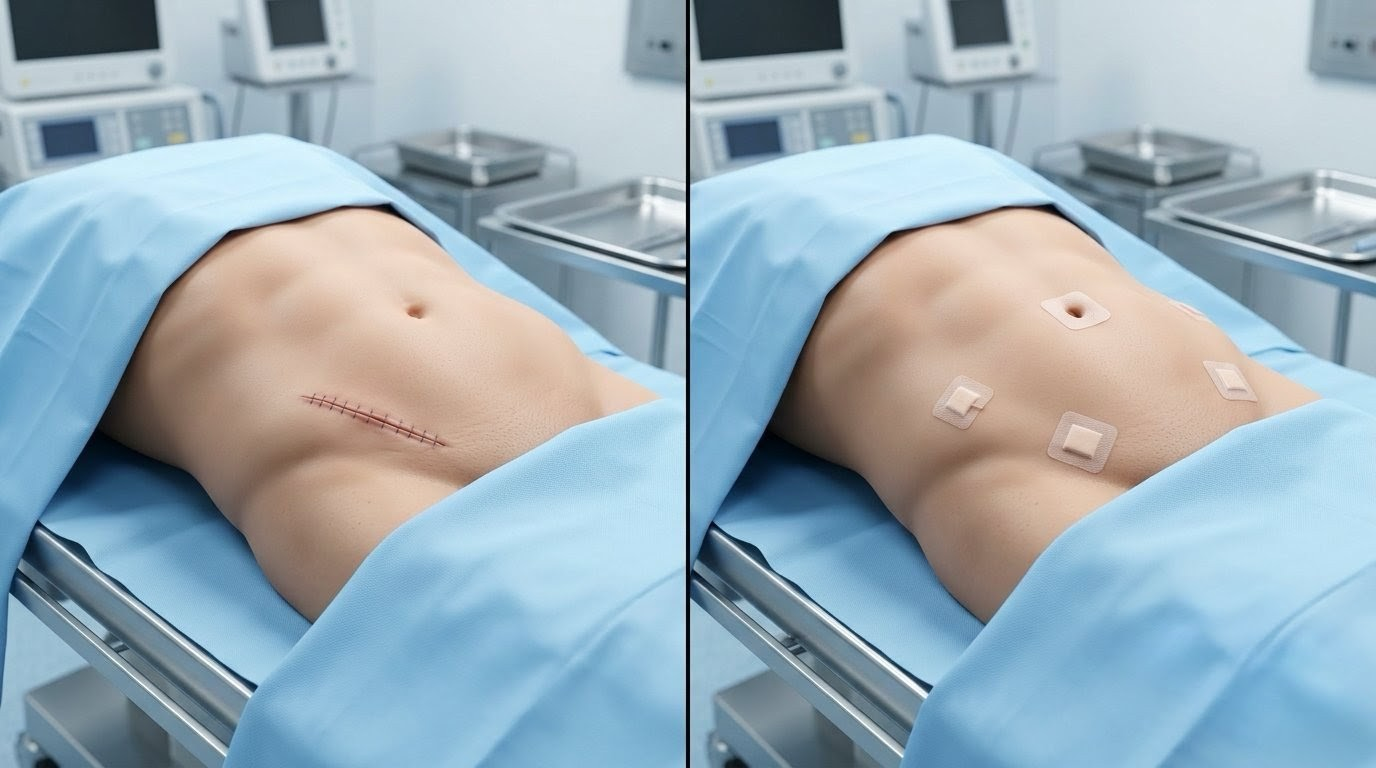
Patients often ask which method has the faster recovery.
For suitable inguinal hernia patients, laparoscopic or minimally invasive hernia repair can be associated with less pain or numbness and faster return to normal activity compared with open repair.
However, this does not mean laparoscopic surgery is suitable for every hernia.
The surgeon considers:
- Hernia size
- Hernia location
- Whether it is on one or both sides
- Previous operations
- General health
- Whether the hernia has returned
- Whether it is complicated or trapped
The safest technique for you is more important than simply choosing the smallest incision.
How Can You Support a Smooth Recovery?
Recovery cannot be rushed, but sensible habits can help you heal safely.
Walk Regularly
Gentle movement helps you gradually return to normal activity.
Follow Wound-Care Instructions
Keep the surgical area clean and follow the dressing and bathing instructions given by your hospital.
Avoid Heavy Lifting Too Soon
Your skin may look healed before the deeper tissues have fully recovered.
Control Constipation
Straining can be uncomfortable after hernia surgery. Follow your doctor's advice regarding fluids, food and medicines if needed.
Support the Area When Coughing
Supporting the wound gently with your hand or a pillow may reduce discomfort when coughing or sneezing.
Attend Your Follow-Up
A follow-up allows your surgeon to check the wound, pain, swelling and progress before increasing activity.
Possible Complications After Hernia Surgery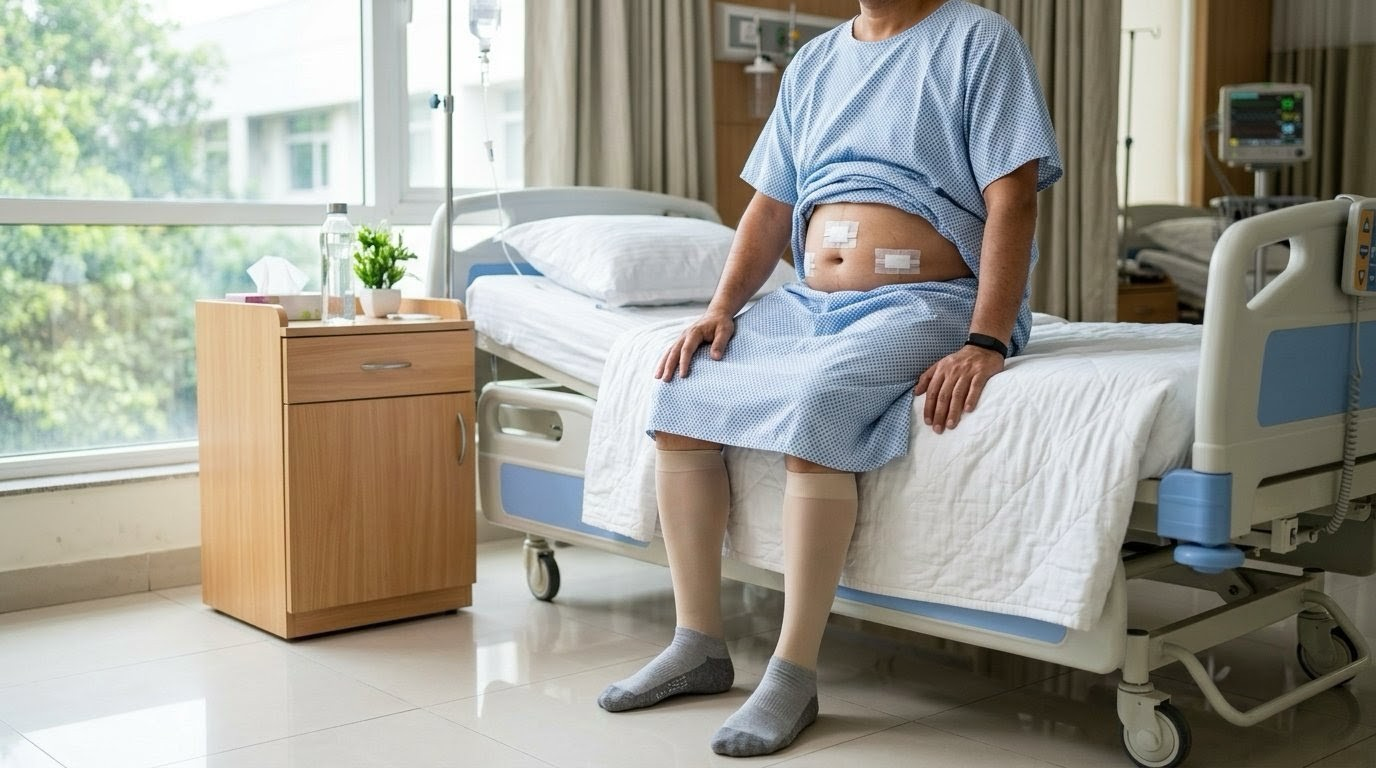
Most patients recover without serious problems, but every operation carries some risk.
Possible complications include:
- Wound infection
- Bleeding
- Persistent swelling
- Fluid collection
- Difficulty urinating
- Injury to nearby structures
- Persistent pain or numbness
- Blood clots
- Hernia recurrence
Serious complications are uncommon but need prompt recognition.
Contact Your Doctor Promptly If You Develop:
- Increasing or severe pain
- Fever
- Worsening redness around the wound
- Pus or foul-smelling discharge
- Persistent vomiting
- Increasing abdominal or groin swelling
- Difficulty passing urine
- Shortness of breath
- Significant wound bleeding
Do not wait for a routine follow-up if something feels seriously wrong.
Benefits of Successful Hernia Repair
When surgery is appropriate, repairing a symptomatic hernia can:
- Correct the weakness in the abdominal wall
- Reduce hernia-related pain or discomfort
- Prevent the bulge from continuing to interfere with daily activities
- Allow gradual return to normal physical activity
- Reduce the risk of problems associated with certain untreated or complicated hernias
The exact benefit depends on the type of hernia and why surgery was recommended.
Recovery Is a Process, Not a Race
The biggest mistake after hernia repair surgery is often doing too much simply because the pain has improved.
Your body needs time to heal below the skin.
A patient sitting at a desk and a patient lifting heavy equipment for work should not expect identical recovery schedules.
Patients considering hernia surgery in Visakhapatnam can consult Dr. Naveen Kumar Anem, MBBS, DNB (General Surgery), FMAS, FIAGES, Laparoscopic & GI Surgeon, for evaluation of the hernia and personalised guidance regarding the appropriate surgical approach and expected recovery.
Have a Hernia and Worried About How Long Surgery Will Keep You Away From Normal Life?
Do not make treatment decisions based only on someone else's recovery story.
A proper surgical consultation can help you understand which hernia you have, whether it requires repair, which surgical approach may suit you and how much recovery time you should realistically plan for.
Getting the right information before surgery can make the recovery period easier to prepare for.
!!! BOOK YOUR CONSULTATION TODAY !!!
Medical Review
✅ Medically Reviewed by Dr. Naveen Kumar Anem
MBBS, DNB (General Surgery), FMAS, FIAGES
Laparoscopic & GI Surgeon
This article provides general patient education and should not replace examination, diagnosis, postoperative instructions or personalised medical advice from your treating surgeon.