

Bariatric Surgery & Hormones: How Weight Loss Affects Your Body Chemicals

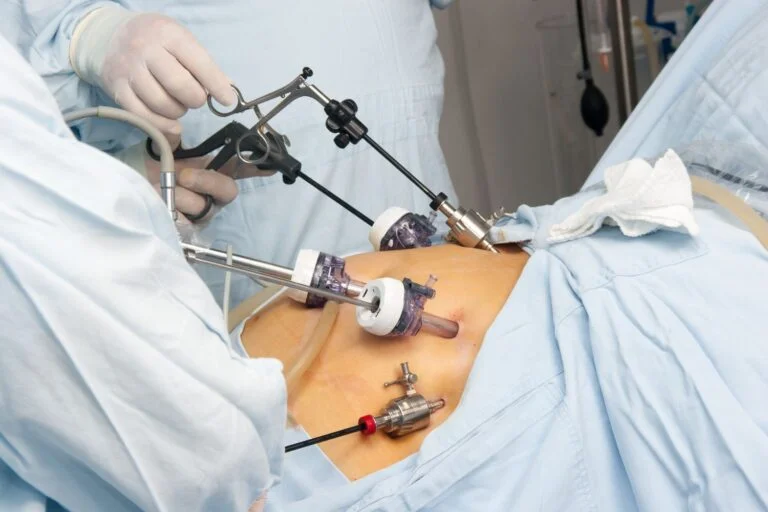
Bariatric surgery is one of the most effective treatments for severe obesity, but what many people don’t realize is that its benefits go far beyond weight loss. This surgery creates powerful hormonal changes inside the body—changes that influence hunger, metabolism, fertility, mood, blood sugar, and overall health.
What Is Bariatric Surgery?
Bariatric surgery includes surgical procedures like:
-
Gastric Sleeve
-
Gastric Bypass
-
Duodenal Switch
These surgeries reduce stomach size or reroute digestion to limit how much food you can eat and how many calories your body absorbs. But the real magic happens in the hormonal system—where appetite and metabolism hormones dramatically shift after surgery.
⭐ How Bariatric Surgery Affects Your Hormones
After bariatric surgery, several essential hormones change rapidly. These hormonal shifts are the reason many patients feel less hungry, more energetic, and more emotionally stable.
1. Ghrelin (The Hunger Hormone) Drops Sharply
Ghrelin is the hormone responsible for making you feel hungry.
After bariatric surgery—especially gastric sleeve—the part of the stomach that produces ghrelin is removed or minimized.
This results in:
-
Drastically reduced appetite
-
Fewer cravings
-
Feeling full faster
-
More control over eating habits
This is one of the biggest reasons weight loss becomes easier after surgery.
2. Leptin Sensitivity Improves
Leptin is produced by fat cells and helps regulate long-term hunger and energy balance.
In obesity, the body develops leptin resistance, meaning the brain doesn’t receive the “I’m full” signal.
After surgery:
-
Leptin levels drop
-
The body becomes more sensitive to leptin
-
The brain can finally recognize fullness
This helps maintain weight loss more successfully.
3. Insulin Levels Improve Quickly
One of the most impressive benefits of bariatric surgery is its effect on insulin.
Many patients with Type 2 diabetes see improvements within days, even before losing significant weight.
After surgery:
-
Insulin sensitivity increases
-
Blood sugar stabilizes
-
Fat storage reduces
In some cases, Type 2 diabetes goes into remission.
4. GLP-1 and PYY Increase (Hormones That Reduce Appetite)
GLP-1 (Glucagon-like peptide-1) and PYY (Peptide YY) are gut hormones that:
-
Reduce hunger
-
Slow digestion
-
Improve insulin response
Bariatric surgery increases both GLP-1 and PYY, which:
-
Decrease appetite
-
Help you feel full longer
-
Support long-term weight loss
This is also why medications like Ozempic (GLP-1 agonists) mimic the effects of bariatric surgery.
5. Cortisol (Stress Hormone) Decreases Over Time
Obesity is often linked with high cortisol levels due to:
-
Chronic stress
-
Poor sleep
-
Inflammation
After significant weight loss:
-
Inflammation decreases
-
Sleep quality improves
-
Cortisol levels drop
This results in:
-
Better mood
-
Reduced emotional eating
-
Better metabolism
6. Thyroid Hormones Become More Balanced
Obesity can slow thyroid function, leading to:
-
Fatigue
-
Slow metabolism
-
Difficulty losing weight
After weight loss from surgery:
-
Thyroid hormones (T3, T4, TSH) become more balanced
-
Metabolism increases
-
Energy levels improve

⭐ Hormonal Benefits for Women
Women often experience additional hormonal changes after bariatric surgery.
• Improved Fertility
Excess weight affects ovulation and reproductive hormones.
After surgery:
-
Ovulation becomes more regular
-
PCOS symptoms reduce
-
Fertility improves
• More Balanced Estrogen Levels
Fat tissue produces estrogen, so obesity often causes estrogen imbalance.
Weight loss restores healthier hormone levels and reduces:
-
Heavy periods
-
Irregular cycles
-
PMS symptoms
⭐ Hormonal Benefits for Men
Men also see major improvements:
-
Increased testosterone
-
Improved sperm quality
-
Better sexual performance
-
Increased energy
Obesity reduces testosterone, but weight loss helps restore it naturally.
Mood & Mental Health Hormones Also Improve
Weight loss after bariatric surgery improves:
-
Serotonin (feel-good hormone)
-
Dopamine (motivation hormone)
This leads to:
-
Better sleep
-
Lower depression
-
Reduced anxiety
-
Higher self-esteem
Emotional wellbeing improves greatly as body chemistry stabilizes.
Why Hormonal Changes Are the Key to Long-Term Success
The long-term weight loss success from bariatric surgery is not only about eating less—it’s about the hormonal reset.
These hormonal adjustments help:
-
Reduce binge eating
-
Control cravings
-
Improve metabolism
-
Maintain weight loss
This is why bariatric surgery is considered a metabolic surgery—not just a weight loss surgery.