Diet and lifestyle for fissure and piles
Why Do Diet and Lifestyle Matter So Much?
If you have piles or an anal fissure, treatment does not begin only with creams, medicines or surgery.
Your daily bowel habits matter too.
Both conditions can become worse when stool is hard, difficult to pass, or requires repeated straining. For piles, constipation, prolonged sitting on the toilet and a low-fiber diet are recognized contributing factors. For anal fissures, keeping stools soft and easy to pass is an important part of first-line treatment.
The goal is simple:
A soft, formed stool that passes without straining.
Not hard stool.
Not repeated constipation.
And not frequent loose stools either.
What Is the Difference Between Piles and Fissure?
Piles, or hemorrhoids, are swollen blood vessels around the anus or lower rectum. They may cause bleeding, itching, swelling or discomfort.
An anal fissure is a small tear in the lining of the anal canal. It commonly causes sharp pain while passing stool, burning pain afterwards and sometimes bright-red bleeding.
They are different conditions, but both benefit from healthier bowel habits.
1. Fiber Is One of the Most Important Changes
A high-fiber diet helps stool hold water and makes it easier to pass.
For acute anal fissure, the American Society of Colon and Rectal Surgeons recommends fiber-rich eating and, when needed, fiber supplementation, commonly aiming for around 25–35 grams of fiber per day.
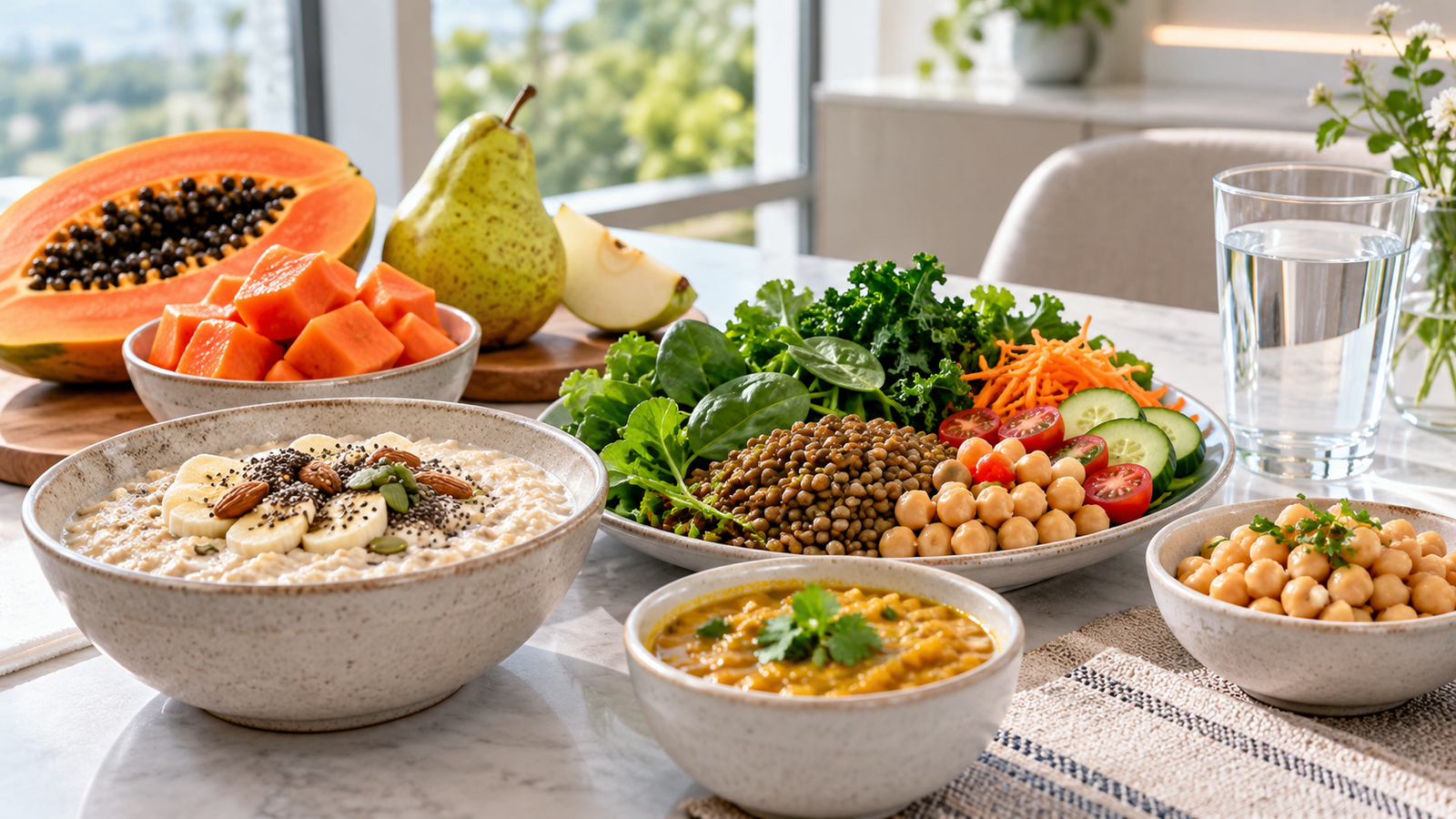
Useful fiber-rich foods include:
- Oats
- Whole grains
- Dal and lentils
- Chickpeas and beans
- Green vegetables
- Carrots
- Apples
- Pears
- Oranges
- Papaya
- Nuts and seeds when tolerated
For hemorrhoids, higher-fiber foods can make stools softer and easier to pass and may help both treatment and prevention.
Increase Fiber Slowly
Do not suddenly double your fiber intake overnight.
A rapid increase may cause bloating or gas. Add fiber gradually so your digestive system can adjust.
2. Water Helps Fiber Do Its Job
Eating fiber without adequate fluid may not give the result you expect.
Water and other suitable fluids help fiber work better and can help prevent hard stools.
There is no single water target suitable for every person.
Your needs depend on your health, activity, climate and medical conditions. People with kidney, heart or other conditions may need individualized fluid advice.
The practical goal is to stay well hydrated throughout the day.
3. Stop Straining During Bowel Movements
Straining increases pressure around the anus.
For hemorrhoids, repeated straining is a known contributing factor.
With a fissure, forcing a hard stool across an already injured area can reopen the tear and delay healing.
Do not sit and push for long periods just because you feel that stool “must come out.”
If nothing happens comfortably, get up and try again later.
4. Do Not Turn the Toilet Into a Sitting Room
Long periods on the toilet can increase pressure around hemorrhoidal tissue.
NIDDK specifically recommends avoiding prolonged toilet sitting when managing or preventing hemorrhoids.
That means avoiding long sessions scrolling through your phone while sitting on the toilet.
Go when you have the urge, finish without excessive straining, clean gently and leave.
5. Regular Movement Helps Your Bowels Too
Exercise is not a direct cure for piles or fissure.
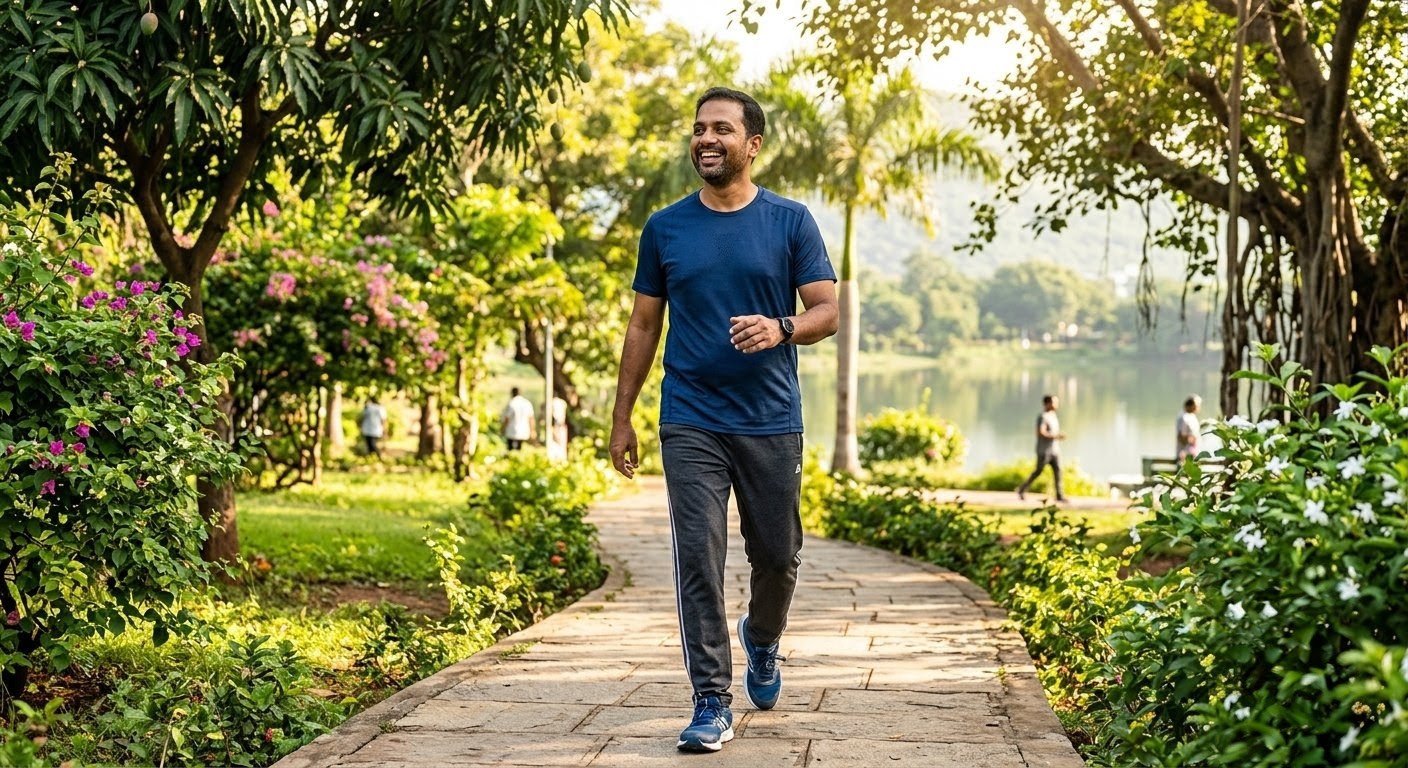
However, regular physical activity can support more regular bowel movements and help reduce constipation.
Simple activities such as:
- Daily walking
- Light exercise
- Avoiding sitting continuously for many hours
- Gradually increasing physical activity
can support healthier digestion.
You do not need an extreme workout plan.
Consistency matters more.
6. Warm Sitz Baths Can Help Fissure Pain
For anal fissures, sitting in warm water for about 10–20 minutes, particularly after a bowel movement, may help soothe discomfort and relax the anal muscles.
This does not replace medical treatment when a fissure becomes chronic, but it can be a useful part of conservative care.
Can Diet Alone Cure Fissure or Piles?
Not always.
Lifestyle measures are an important foundation, but some patients still need medical treatment.
Nearly half of patients with acute anal fissures may improve with non-operative measures such as fiber and sitz baths, but chronic fissures may require prescription ointments, Botox treatment or surgery depending on the case.
Similarly, mild hemorrhoids may improve with diet and bowel-habit changes, while persistent bleeding, prolapse or severe symptoms may require procedures such as banding or surgery.
Why Continue Healthy Habits Even After You Feel Better?
Because symptoms can return.
Anal fissures can recur after another hard bowel movement, which is why continued fiber intake and good bowel habits remain important even after healing.
For piles, long-term control of constipation and straining can also reduce repeated irritation.
The best approach is not:
“Eat carefully until the pain disappears.”
It is:
“Build bowel habits that you can continue long term.”
When Should You See a Doctor?
Do not assume that every episode of anal pain or bleeding is piles.
Rectal bleeding can also occur with other bowel conditions. NIDDK recommends medical evaluation for rectal bleeding and for hemorrhoid symptoms that do not improve after about a week of home treatment.
Persistent severe pain, repeated bleeding, a lump, pus discharge, fever or symptoms that keep returning should be properly examined.
Patients with persistent piles or fissure symptoms in Visakhapatnam can consult Dr. Naveen Kumar Anem, MBBS, DNB (General Surgery), FMAS, FIAGES, Laparoscopic & GI Surgeon, for appropriate surgical evaluation and treatment planning where required.
Good treatment starts with good bowel habits—but persistent symptoms still need the right diagnosis.
If pain, bleeding or constipation keeps returning despite improving your diet and lifestyle, speak with a qualified surgeon rather than repeatedly self-treating the symptoms.
!! BOOK YOU R APPOINTMENT TODAY !!
Medical Review
Dr. Naveen Kumar Anem
MBBS, DNB (General Surgery), FMAS, FIAGES
Laparoscopic & GI Surgeon
This article is for general patient education. Diet and lifestyle recommendations may need to be adjusted for individual medical conditions and do not replace a personal medical consultation.