
Why Choose Laparoscopic Surgery? Benefits & Recovery
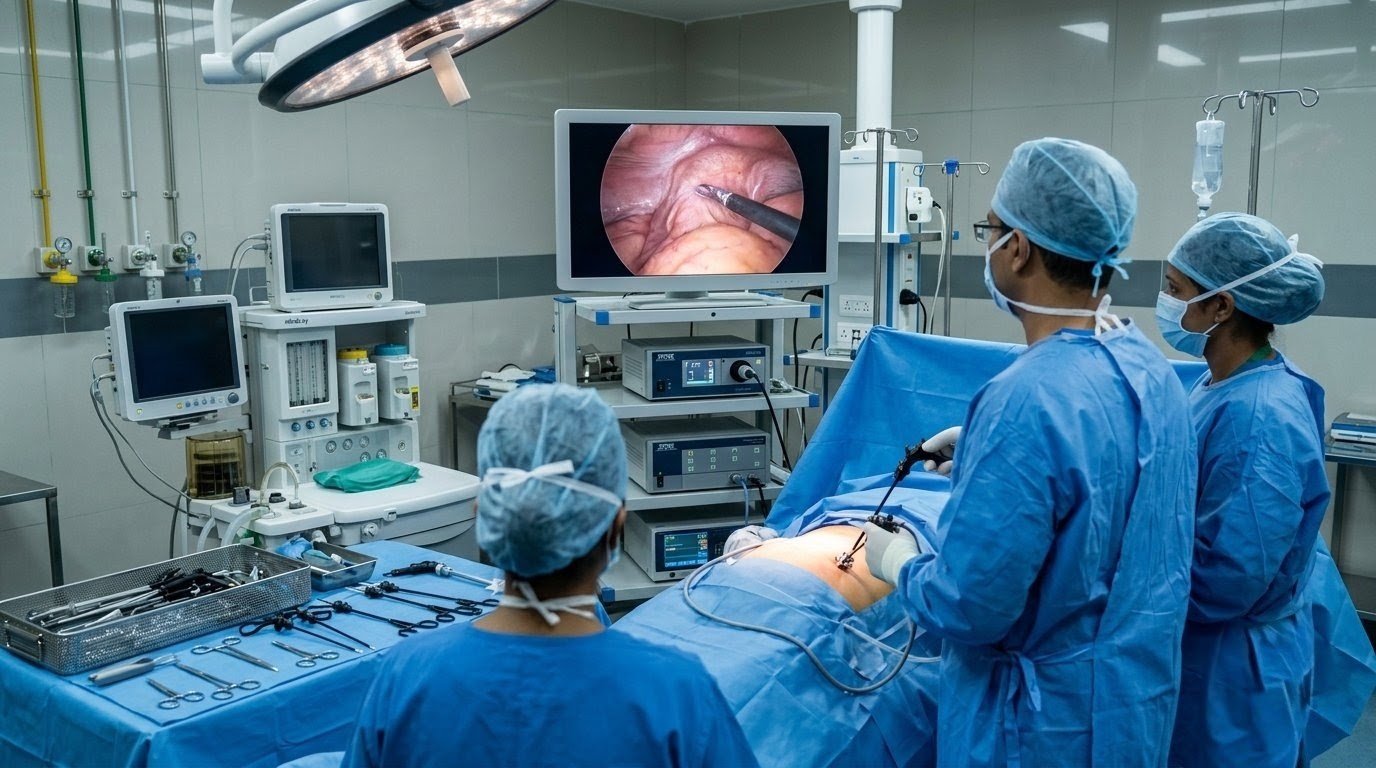
Introduction: Why Are More Surgeries Being Done Through Tiny Cuts?
Imagine needing an operation without one large cut across your abdomen.
Instead, the surgeon works through a few small openings using a tiny camera and specially designed instruments. That is the basic idea behind laparoscopic surgery, also known as keyhole surgery or minimally invasive surgery.
For suitable patients and procedures, laparoscopy may mean smaller wounds, less pain after surgery, a shorter hospital stay and a quicker return to normal activities compared with traditional open surgery. However, the exact benefits depend on the operation, the patient's health and the complexity of the condition.
Today, laparoscopic techniques are commonly used for conditions involving the gallbladder, appendix, hernia, digestive system and certain gynaecological problems.
So, why choose laparoscopic surgery? Let us understand it in simple words.
What Is Laparoscopic Surgery?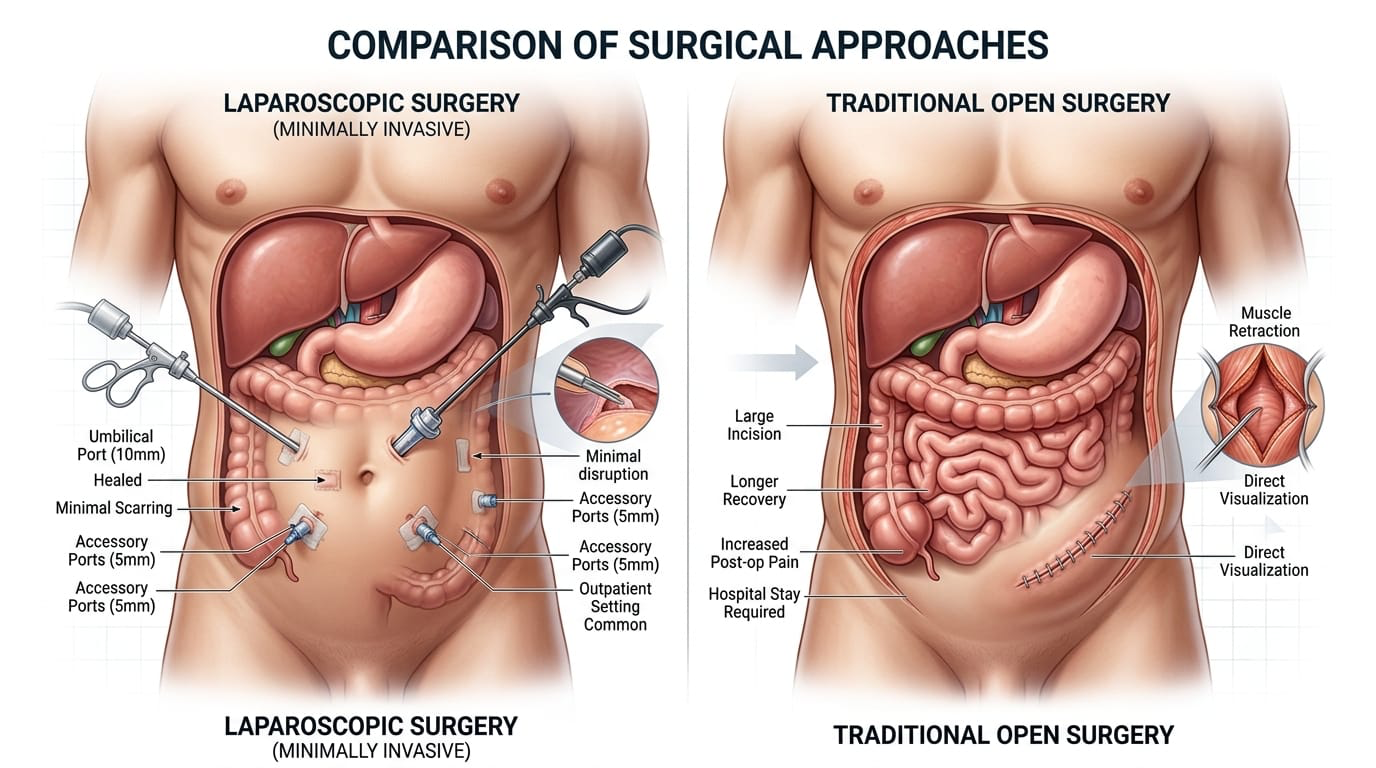
Laparoscopic surgery is a technique in which the surgeon performs an operation through several small cuts instead of making one large incision.
A thin instrument called a laparoscope, which has a camera, is inserted through one of these small openings. The camera sends a magnified view of the organs to a monitor.
The surgeon then uses special instruments through the other small openings to perform the required procedure. Carbon dioxide gas is usually placed inside the abdomen temporarily to create enough working space and improve visibility.
Because the surgeon can clearly see the internal organs on a screen, many abdominal operations can now be performed using this minimally invasive approach.
Symptoms: When Might You Need a Surgical Evaluation?
There are no “symptoms of laparoscopic surgery” because laparoscopy is a treatment technique, not a disease.
However, certain symptoms may indicate an underlying problem that needs investigation and sometimes surgery.
These may include:
- Persistent or severe abdominal pain
- Pain on the right side of the abdomen
- Repeated pain after eating, especially with gallbladder problems
- A visible or painful swelling caused by a hernia
- Sudden abdominal pain associated with appendicitis
- Persistent pelvic pain
- Abnormal bleeding in certain gynaecological conditions
- Vomiting or digestive problems associated with an abdominal condition
- Symptoms caused by gallstones, ovarian cysts or fibroids
These symptoms do not automatically mean that surgery is required. A proper examination and diagnosis should always come first.
Sudden severe abdominal pain, persistent vomiting, high fever, fainting, severe bleeding or difficulty breathing should receive urgent medical attention.
Causes: What Conditions May Require Laparoscopic Surgery?
Many different diseases can lead to a recommendation for laparoscopic treatment.
Common examples include:
Gallstones: Gallstones can block the normal flow of bile and cause repeated pain, inflammation or infection. When gallbladder removal is required, laparoscopic surgery is commonly used.
Appendicitis: An inflamed appendix may need to be surgically removed. A laparoscopic appendectomy can often be performed through a few small incisions.
Hernia: A hernia develops when tissue pushes through a weak area in the abdominal wall. Certain hernias can be repaired laparoscopically.
Gynaecological conditions: Laparoscopy may be used for conditions such as ovarian cysts, fibroids, endometriosis, ectopic pregnancy and some hysterectomy procedures.
Obesity: Certain bariatric or weight-loss procedures may also be performed using minimally invasive techniques.
Laparoscopy can additionally be used for selected gastrointestinal and abdominal conditions.
Diagnosis: How Does a Doctor Decide Whether Laparoscopy Is Right for You?
Before recommending surgery, your surgeon needs to understand the exact problem.
The evaluation may include your medical history, physical examination and tests such as:
- Blood tests
- Ultrasound
- CT scan
- MRI when necessary
- Endoscopy in selected digestive conditions
- Other tests depending on the suspected disease
Interestingly, laparoscopy itself can sometimes be used as a diagnostic procedure when scans and other investigations cannot clearly identify the cause of abdominal or pelvic problems.
A laparoscope allows the surgeon to directly examine internal organs through a small incision.
The decision should always be based on your diagnosis, overall health, previous surgeries and the complexity of your condition.
Treatment: What Happens During Laparoscopic Surgery?
Most laparoscopic operations are performed under general anaesthesia, meaning you are asleep during the procedure.
The surgeon usually makes a small incision near the belly button. Carbon dioxide gas is introduced carefully into the abdomen to create space.
The laparoscope is then inserted.
The surgeon watches the enlarged image on a monitor while additional small openings allow specialised instruments to be introduced.
The exact operation is then performed—for example, removing the gallbladder or appendix or repairing a hernia.
Once the procedure is complete, the instruments and most of the gas are removed, and the small incisions are closed.
Every procedure is different, so the number and size of incisions can vary.
Benefits: Why Choose Laparoscopic Surgery?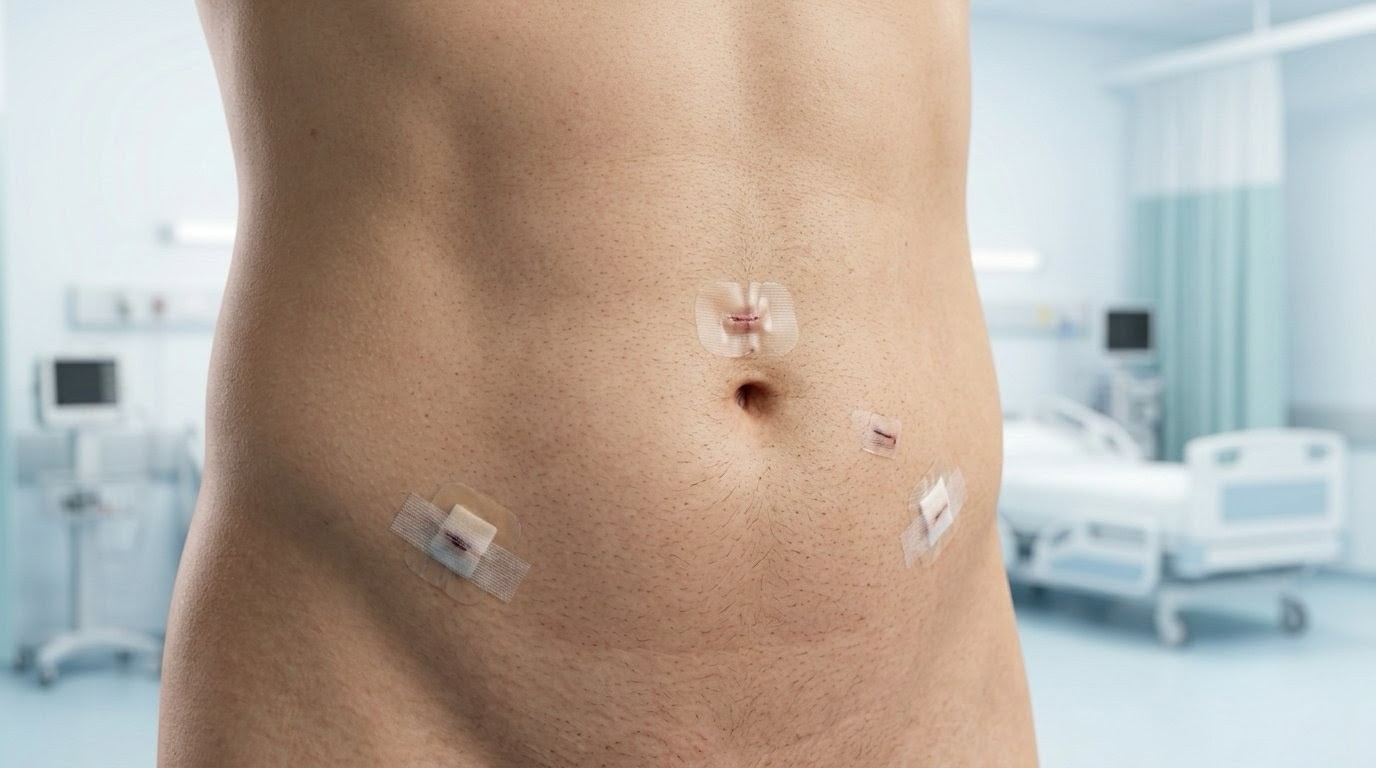
1. Smaller Incisions
One of the most noticeable benefits of laparoscopic surgery is that it usually requires several small cuts instead of one large surgical incision.
This generally means smaller wounds and less visible scarring.
2. Less Pain After Surgery
Because there is usually less disruption to the abdominal wall, many patients experience less postoperative pain than they might after a comparable open operation.
Pain levels still vary from person to person and depend on the procedure performed.
3. Faster Recovery
For many procedures, patients undergoing minimally invasive surgery can return to normal activities sooner than patients recovering from open surgery.
However, “faster” does not mean you should immediately return to heavy work or exercise. Your surgeon's recovery instructions should always be followed.
4. Shorter Hospital Stay
Depending on the operation and your condition, some patients can return home on the same day or within a short period after laparoscopic surgery.
More complex procedures may still require several days in hospital.
5. Smaller Scars
Small incisions generally produce smaller scars than traditional open abdominal surgery.
While appearance should never be the main reason for choosing an operation, this can be an additional benefit for many patients.
6. Earlier Return to Daily Activities
After uncomplicated laparoscopic procedures, patients may be able to start walking and gradually return to routine activities relatively early.
Getting back to work depends on the surgery, occupation and individual recovery.
7. Clear Magnified View for the Surgeon
The laparoscope provides a magnified view of the surgical area on a high-resolution monitor.
This allows the surgeon to closely examine structures inside the abdomen while performing the operation through small incisions.
Recovery After Laparoscopic Surgery
Recovery depends greatly on which surgery you had.
After the procedure, you may temporarily experience:
- Mild pain around the incision sites
- Abdominal bloating
- Tiredness
- Nausea
- Mild abdominal discomfort
- Shoulder-tip discomfort caused by the gas used during laparoscopy
These symptoms often improve during recovery.
Patients are commonly encouraged to start gentle movement when advised, stay hydrated, eat according to their surgeon's instructions and keep the wounds clean.
Do not rush back into lifting heavy objects, strenuous exercise or demanding work simply because the wounds look small.
Small cuts outside do not mean that there has been no healing required inside the body.
Your surgeon will tell you when it is safe to return to normal activities.
Possible Complications of Laparoscopic Surgery
Laparoscopy is commonly performed, but like every surgical procedure, it has possible risks.
These can include:
- Bleeding
- Infection
- Blood clots
- Problems related to anaesthesia
- Injury to nearby organs or blood vessels
- Hernia at an incision site
- Need to convert from laparoscopic surgery to open surgery
Serious complications are uncommon, but they can occur.
Sometimes the surgeon may begin laparoscopically and decide that a larger open incision is safer because of severe inflammation, unexpected findings, scar tissue, bleeding or another difficulty.
Conversion to open surgery is not necessarily a failure. It can be an important safety decision made by the surgeon.
Is Laparoscopic Surgery Right for Everyone?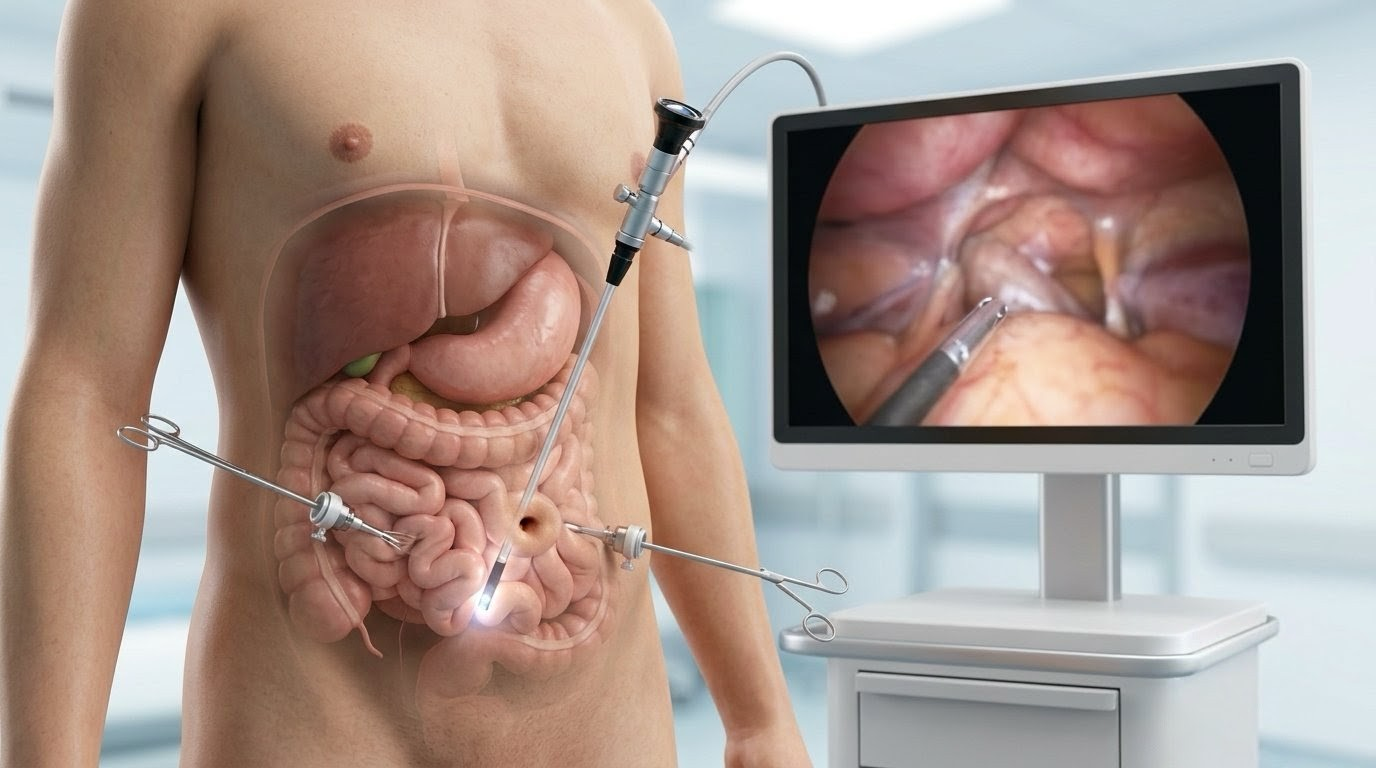
No.
Even though laparoscopic surgery has many advantages, it is not automatically the best approach for every patient.
The decision can depend on:
Your diagnosis, previous abdominal operations, severity of disease, infection or inflammation, other medical conditions and the surgeon's assessment.
Some patients may benefit more from open surgery or another treatment.
That is why the most important question is not simply:
“Is laparoscopic surgery better?”
The better question is:
“Which surgical approach is safest and most appropriate for my condition?”
A qualified surgeon should answer that after examining you.
Choosing the Right Surgeon Matters
The technology used for an operation is only one part of successful surgical care.
Proper diagnosis, choosing the correct operation, surgical experience, safe anaesthesia, hospital facilities and appropriate follow-up are equally important.
Patients considering laparoscopic surgery in Visakhapatnam can discuss their condition with Dr. Naveen Kumar Anem, MBBS, DNB (General Surgery), FMAS, FIAGES, Laparoscopic & GI Surgeon, to understand whether a minimally invasive approach is appropriate for their particular diagnosis.
Take the Next Step
If you have been advised to undergo surgery for gallstones, hernia, appendicitis or another abdominal condition, do not choose a surgical technique based only on what sounds newer or easier.
Understand your diagnosis first.
Ask your surgeon:
Can my condition be treated laparoscopically? What are the benefits in my case? What are the risks? How long will recovery take?
A personalised surgical consultation can help you make an informed and confident decision about your treatment.
Book Your Consultation Today
Medical Review Note
For publication after clinician approval:
✅ Medically Reviewed by Dr. Naveen Kumar Anem
MBBS, DNB (General Surgery), FMAS, FIAGES
Laparoscopic & GI Surgeon
This article is intended for patient education and general awareness. It does not replace an examination, diagnosis or personalised treatment advice from a qualified medical professional.