

Weight Loss Surgery Treatment in Vizag

Weight Loss Surgery: Benefits, Risks, Results, and Frequently Asked Questions
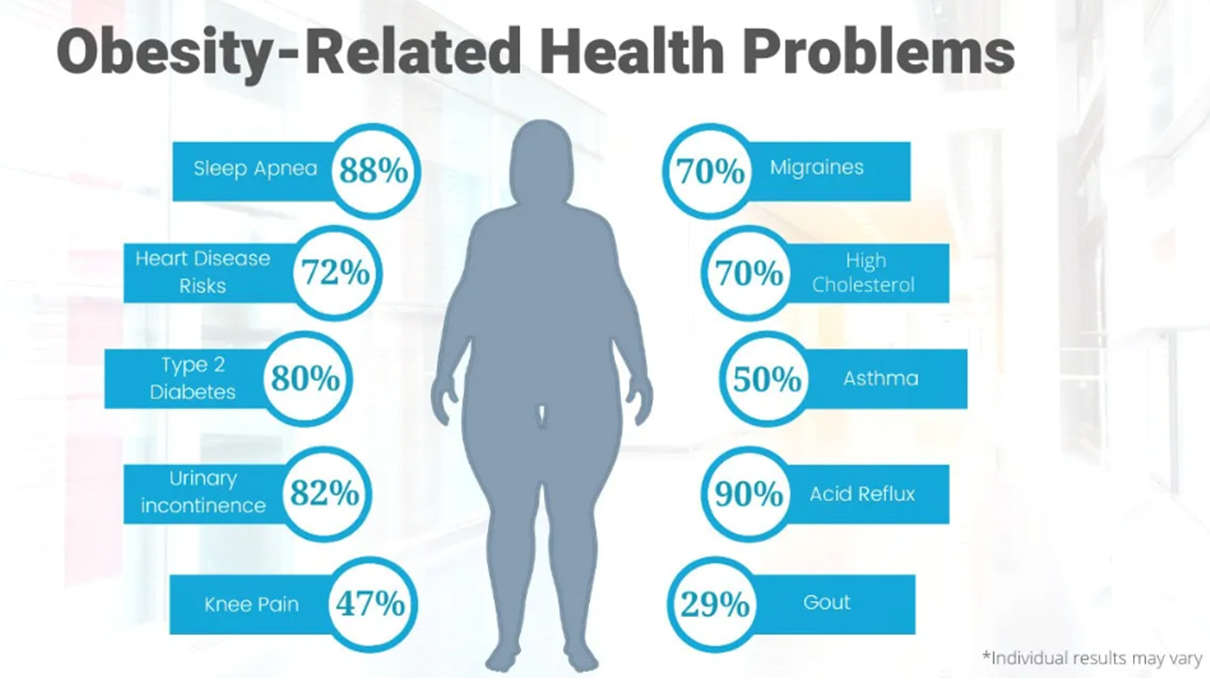
Obesity is more than just a cosmetic concern. It is a complex medical condition that can significantly impact overall health and quality of life. People struggling with obesity often face challenges such as diabetes, high blood pressure, sleep apnea, joint pain, heart disease, and reduced mobility.
While diet and exercise remain the foundation of weight management, they may not always provide long-term success for individuals with severe obesity. This is where weight loss surgery, also known as bariatric surgery, can play an important role.
Over the last few years, bariatric surgery has become one of the most effective treatments for obesity and obesity-related health conditions. However, many patients still have questions about its safety, effectiveness, long-term results, and whether surgery is truly worth considering.
In this article, we'll answer some of the most commonly asked questions about weight loss surgery and help you understand how it can transform both health and quality of life.
What Is Weight Loss Surgery?
Weight loss surgery refers to a group of surgical procedures designed to help individuals lose weight by changing how the digestive system works.
These procedures generally work by:
- Reducing the size of the stomach thereby reducing food intake.
- Changing nutrient absorption
- Decreases hunger by making a few hormonal changes.
Some of the most commonly performed bariatric procedures include:
- Gastric Sleeve Surgery (Sleeve Gastrectomy)
- Gastric Bypass Surgery
- Mini Gastric Bypass
- Intragastric Balloon
These procedures are usually recommended for individuals with severe obesity or obesity-related medical conditions that have not improved through conventional weight loss methods.
Is Weight Loss Surgery Worth It?
This is often the first question patients ask.
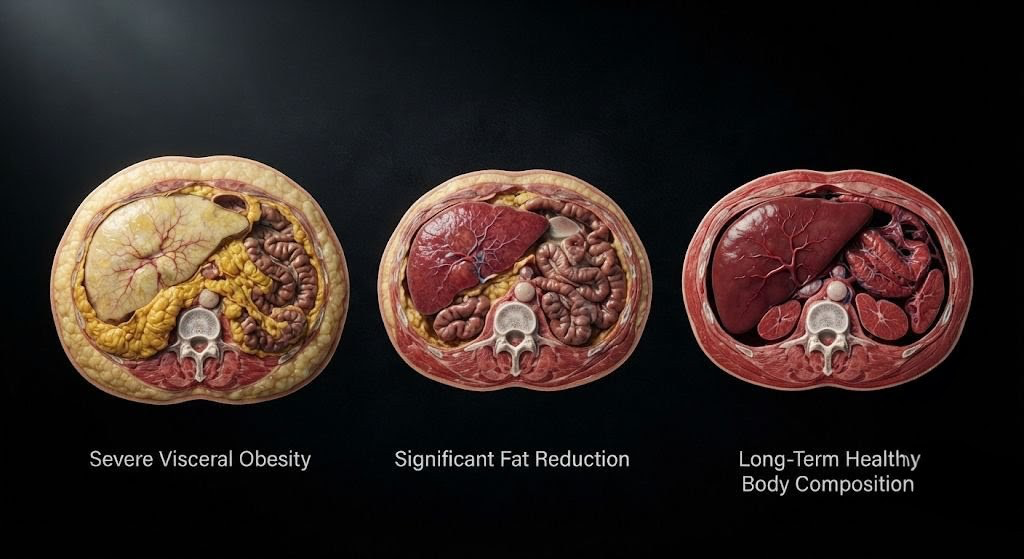
For many individuals with obesity, weight loss surgery can be life-changing. Numerous studies have shown that bariatric surgery can lead to substantial and sustained weight loss while improving or even resolving several obesity-related diseases.
Potential benefits include:
- Significant weight reduction
- Improved mobility and Better quality of life
- Increased confidence and self-esteem
- Reduced risk of heart disease
- Improvement in diabetes and blood pressure
- Better sleep quality
While surgery requires commitment and lifestyle changes, many patients report that the health benefits far outweigh the challenges of the procedure and recovery period.
Can Obesity Be Treated Without Surgery?

Yes, obesity can often be treated without surgery, particularly in its early stages.
Non-surgical treatment options include:
- Dietary modifications
- Regular exercise
- Behavioral therapy
- Weight loss medications
- Lifestyle coaching
- Medical supervision
However, severe obesity especially when associated with medical problems can be difficult to manage with lifestyle changes alone. Many individuals lose weight initially but struggle to maintain those results long term.
When obesity significantly impacts health and non-surgical treatments have been unsuccessful, weight loss surgery may provide a more effective long-term solution.
What Is the Safest Weight Loss Surgery?
All surgical procedures carry some degree of risk, but modern bariatric surgery is generally considered very safe when performed by trained and experienced surgeons. It is better to ask for a bariatric surgeon opinion when trying for weight loss.
Among the most commonly performed procedures, Sleeve Gastrectomy is often regarded as one of the safest options.
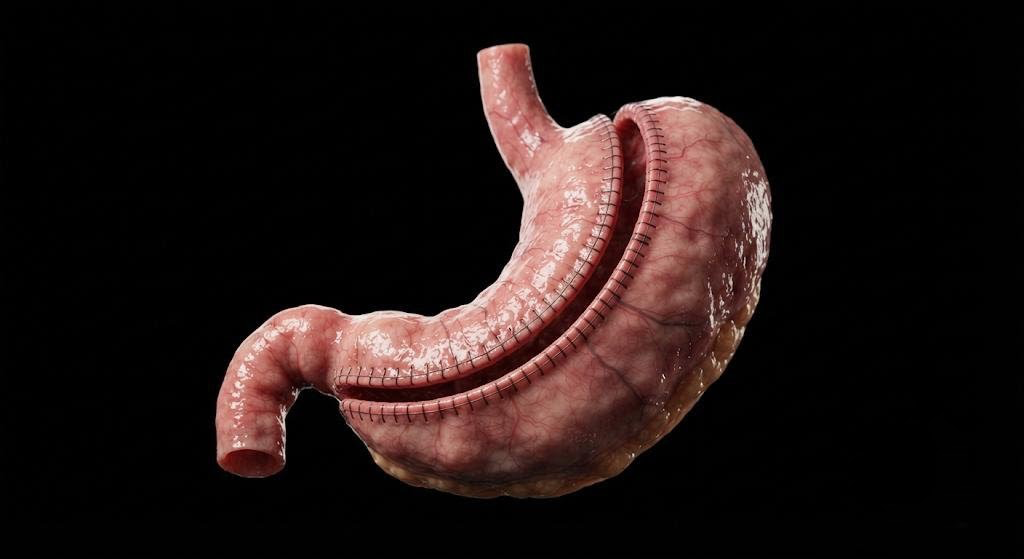
The procedure involves removing a portion of the stomach, leaving behind a smaller sleeve-shaped stomach.
Benefits include:
- Shorter operating time
- Lower complication rates
- Significant weight loss
- No intestinal rerouting
- Reduced hunger hormones
The safest procedure for one patient may not be the best choice for another. A bariatric specialist will evaluate factors such as age, weight, medical history, and existing health conditions before recommending a specific procedure.
Is Gastric Sleeve Surgery Permanent?
Yes, gastric sleeve surgery is considered a permanent procedure.
During the operation, approximately 70–80% of the stomach is removed. Since the removed portion cannot be restored, the procedure cannot easily be reversed.
This permanent reduction in stomach size helps patients:
- Eat smaller portions
- Feel full sooner
- Experience reduced hunger
- Maintain long-term weight loss
Because it is permanent, careful evaluation and counseling are important before deciding on surgery.
How Much Weight Can I Lose in 6 Months After Surgery?
Weight loss varies from person to person, but most patients experience rapid weight reduction during the first six months after bariatric surgery.
Many patients lose approximately:
- 30–50% of their excess body weight within six months
- Even more if they strictly follow dietary and exercise recommendations
Several factors influence results, including:
- Type of surgery performed
- Starting body weight
- Physical activity levels
- Diet compliance
- Underlying medical conditions
The first year after surgery is typically when the greatest weight loss occurs.
Can Weight Loss Surgery Reverse Diabetes?
Yes.
Many patients experience significant improvement in blood sugar levels shortly after surgery, sometimes even before substantial weight loss occurs.
Benefits may include:
- Reduced need for diabetes medications
- Body responds to insulin better
- Better blood sugar control
- Partial or complete diabetes cure in some patients
Not every patient achieves complete cure, but bariatric surgery is widely recognized as one of the most effective treatments for obesity-related Type 2 Diabetes.
Early intervention often produces better outcomes.
What Are the Side Effects of Bariatric Surgery?
Like any surgical procedure, bariatric surgery can have side effects and potential complications.
Short-term side effects may include:
- Nausea
- Vomiting
- Fatigue
- Temporary discomfort
- Dehydration
Long-term challenges may include:
- Nutritional deficiencies
- Vitamin deficiencies
- Hair thinning during rapid weight loss
- Gallstone formation
Most side effects can be effectively managed through proper follow-up care, dietary adjustments, and nutritional supplementation.
Regular monitoring is essential after surgery to ensure optimal health outcomes.
What Happens If I Don't Follow the Diet After Surgery?
Following the recommended diet after bariatric surgery is critical for success.
Patients who do not follow dietary guidelines may experience:
- Weight regain
- Nutritional deficiencies
- Stomach discomfort
- Vomiting
- Poor long-term results
Bariatric surgery is a powerful tool, but it is not a magic cure. Long-term success depends heavily on lifestyle habits developed after surgery.
Most bariatric programs provide ongoing nutritional counseling to help patients stay on track.
How Long Do Weight Loss Surgery Results Last?
Weight loss surgery is designed to produce long-term results.
Many patients maintain significant weight loss for ten years or more, particularly when they follow recommended lifestyle changes.
Long-term success depends on:
- Healthy eating habits
- Regular physical activity
- Routine medical follow-up
- Psychological support when needed
- Consistent commitment to lifestyle changes
Some weight regain is possible over time, but most patients remain significantly healthier than before surgery.
The surgery provides a foundation for success, while daily habits determine how lasting those results will be.
Can Weight Loss Surgery Increase Life Expectancy?
Research suggests that weight loss surgery can contribute to a longer and healthier life. By reducing obesity-related health risks, surgery may help lower the likelihood of:
- Heart disease
- Stroke
- Type 2 Diabetes complications
- Certain cancers
- Sleep apnea-related complications
- High blood pressure
The overall health improvements can be substantial and long-lasting.
Life After Weight Loss Surgery
Successful weight loss surgery is not just about losing kilograms. It is about building healthier habits that support lifelong wellness.
Patients are generally encouraged to:
- Eat protein-rich meals
- Stay hydrated
- Exercise regularly
- Take prescribed supplements
- Attend follow-up appointments
- Prioritize mental and emotional health
Adopting these habits can help maximize the benefits of surgery and reduce the risk of weight regain.
Tthis article has been reviewed by Dr Anem Naveen kumar, Laparoscopic and bariatric surgeon at A1 Laparoscopy hospital in Visakhapatnam.