South Indian Diet for Piles Relief: Foods to Eat & Avoid
Introduction: Can Your Everyday South Indian Food Help With Piles?
Piles can make something as simple as going to the toilet painful and stressful. Burning, itching, bleeding or discomfort can interfere with your daily routine.
The good news is that what you eat can make a real difference, especially when constipation and straining are making the problem worse.
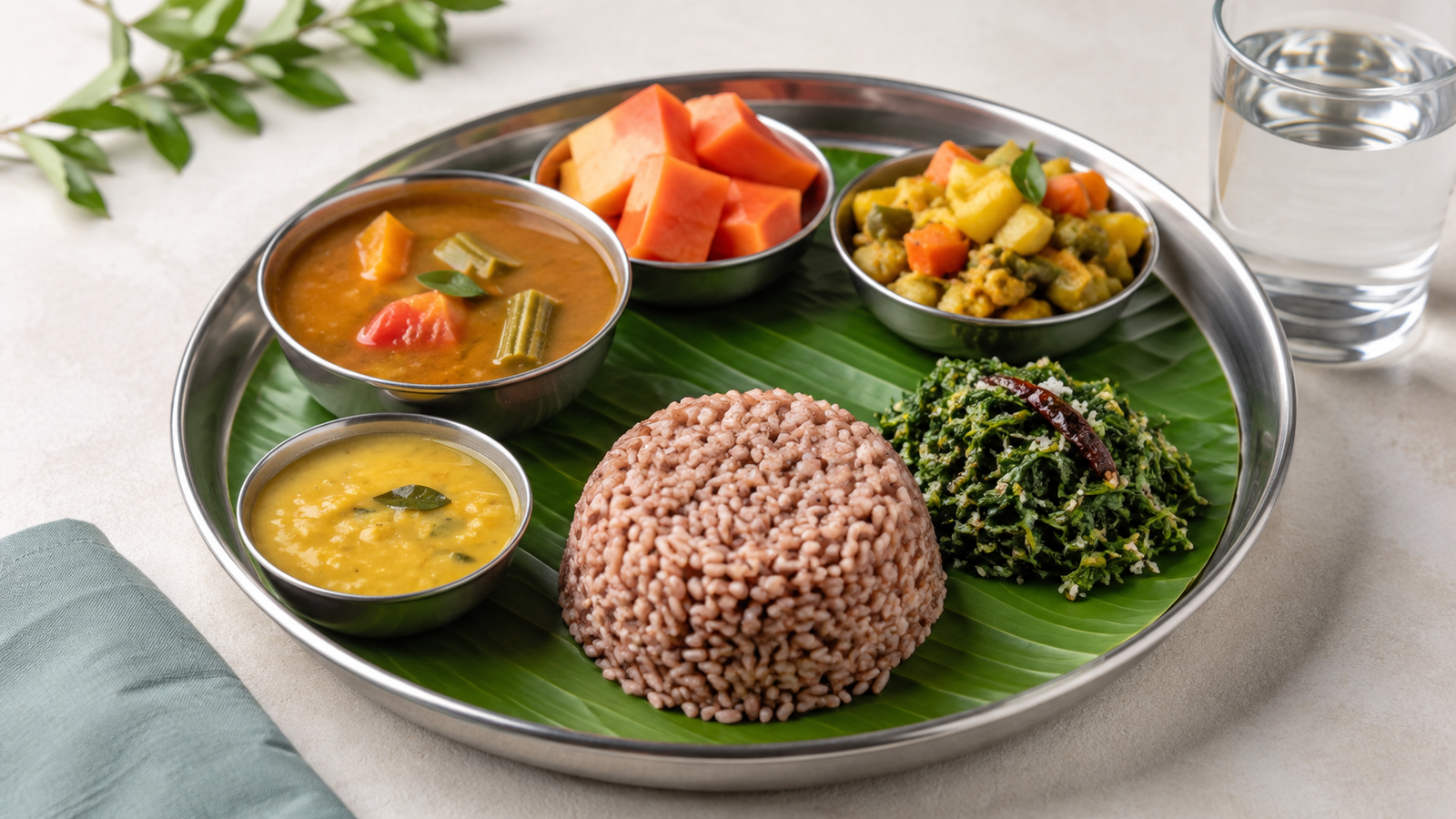
A well-planned South Indian diet for piles relief does not require expensive health foods. Foods already found in many homes,such as sambar, dal, vegetables, leafy greens, millets, fruits and whole grains,can provide the fibre your digestive system needs.
The main goal is simple: keep the stool soft and easy to pass so that you do not have to strain.
A good diet can help manage mild symptoms and may reduce the chance of piles returning. However, diet alone cannot cure every type or stage of piles.
What Are Piles?
Piles, medically called hemorrhoids, are swollen blood vessels in or around the anus and lower rectum.
There are mainly two types:
- Internal piles develop inside the rectum.
- External piles develop under the skin around the anus.
Some piles cause very little discomfort, while others may bleed, swell, become painful or come outside during a bowel movement.
Symptoms of Piles
Common piles symptoms include:
- Bright red blood after passing stool
- Itching around the anus
- Pain or discomfort while sitting
- Swelling near the anus
- A small painful or tender lump
- A feeling that the bowel has not completely emptied
- Tissue coming outside the anus during bowel movements
Bleeding should not automatically be assumed to be piles. Other bowel problems can also cause rectal bleeding, so repeated or unexplained bleeding should be checked by a doctor.
What Causes Piles?
Piles can develop when pressure on the blood vessels around the anus increases.
Common causes of piles include:
- Chronic constipation
- Straining while passing stool
- Sitting on the toilet for a long time
- Eating a low-fibre diet
- Frequent diarrhoea
- Pregnancy
- Age-related weakening of tissues
- Regular heavy lifting
Constipation is especially important because hard stool often makes people strain. This extra pressure can make hemorrhoids develop or worsen.
Can a South Indian Diet Cure Piles?
There is no single food that instantly cures piles.
However, a high-fibre diet for piles can make stool softer and easier to pass. This reduces constipation and straining, which are important triggers for hemorrhoid symptoms.
For people with mild piles, diet and better bowel habits may provide significant relief.
Large, frequently bleeding, thrombosed or prolapsing piles may require medical or surgical treatment even when the patient follows a healthy diet.
Best South Indian Foods for Piles Relief
1. Sambar With Plenty of Vegetables
Sambar can be an excellent part of a piles-friendly South Indian diet because it combines dal with vegetables.
Add vegetables such as:
- Drumstick
- Carrot
- Pumpkin
- Beans
- Bottle gourd
- Brinjal
- Spinach
Avoid making it excessively oily.
2. Millets and Ragi
Traditional grains such as ragi, jowar and other millets can add more fibre to the diet.
You can try:
- Ragi dosa
- Ragi idli
- Millet upma
- Millet pongal
- Ragi porridge
Introduce high-fibre foods gradually, especially if you are not used to eating them.
3. Dal, Lentils and Legumes
Dal is one of the easiest ways to increase fibre while following familiar South Indian meals.
Good choices include:
- Toor dal
- Moong dal
- Masoor dal
- Chickpeas
- Green gram
- Rajma
Cook them well if you easily experience gas or bloating.
Fruits to Eat for Piles
Fruits contain fibre as well as water and can be useful in a diet for constipation and piles.
Good options include:
- Papaya
- Guava
- Pear
- Apple with the skin
- Orange
- Sweet lime
- Pomegranate
Whole fruit is usually a better choice for fibre than strained fruit juice.
Vegetables to Include Every Day
Try to include different vegetables instead of eating mostly rice with very little curry.
Useful choices include:
- Spinach and other leafy greens
- Carrot
- Beans
- Green peas
- Beetroot
- Pumpkin
- Bottle gourd
- Ridge gourd
- Cucumber
- Broccoli when available
Vegetables can be added to sambar, dal, poriyal, vegetable curries and upma.
Is Rice Good or Bad for Piles?
You do not have to completely stop eating rice.
However, eating large portions of polished white rice with very few vegetables may leave the meal low in fibre.
Try combining rice with:
Rice + vegetable sambar + leafy vegetable curry + dal + salad or fruit
You can also replace some white rice meals with brown rice, red rice or millets if they suit your digestion.
Can You Eat Idli and Dosa With Piles?
Yes.
Plain idli and dosa are not automatically harmful to people with piles. The problem is that a meal containing only refined rice-based foods may not provide enough fibre.
Make the meal better by adding:
- Vegetable sambar
- Vegetable chutneys
- Greens
- Fruit
- Millet or ragi versions occasionally
This creates a more balanced South Indian diet for hemorrhoids.
Foods to Limit When You Have Piles
Rather than creating a long list of forbidden foods, concentrate on reducing foods that provide very little fibre or make your constipation worse.
Try to limit:
- Deep-fried snacks
- Chips
- Fast food
- Highly processed foods
- Excess sweets and bakery products
- Meals consisting mostly of refined carbohydrates
- Large amounts of low-fibre packaged foods
Very spicy food does not automatically cause piles, but it can increase burning or discomfort in some people. If you notice that chilli-heavy foods make your symptoms worse, reduce them temporarily.
What Should I Drink?
Fibre works better when your body receives enough fluid.
Water should be your main drink.
You can also include:
- Clear soups
- Buttermilk if it suits you
- Rasam
- Other non-alcoholic fluids
There is no perfect amount of water that suits every person. Your requirement depends on your health, weather, activity and other medical conditions.
People with kidney, heart or other conditions requiring fluid restriction should follow their doctor's advice.
Simple One-Day South Indian Diet for Piles Relief
Early Morning
A glass of water followed by a piece of fruit if hungry.
Breakfast
Vegetable idli or ragi dosa + vegetable sambar
Mid-Morning
Papaya, guava, pear or orange.
Lunch
Rice or millet + vegetable sambar/dal + leafy vegetable curry + another cooked vegetable
Evening
Fruit, a small serving of nuts or boiled green gram instead of fried snacks.
Dinner
Vegetable millet upma, chapati with dal and vegetables, or a light rice-and-vegetable meal
Keep dinner comfortable in quantity rather than eating a very heavy meal immediately before sleep.
Simple Home Remedies and Lifestyle Changes
Diet works best when bowel habits improve too.
Try to:
- Go to the toilet when you feel the urge.
- Avoid pushing or straining.
- Do not spend unnecessary time sitting on the toilet.
- Stay physically active.
- Increase fibre gradually.
- Drink adequate fluids.
- Keep the anal area clean and dry.
- A warm sitz bath may temporarily reduce discomfort.
Do not depend on home remedies for persistent bleeding or severe symptoms.
Diagnosis of Piles
A doctor may begin by asking about your symptoms, bowel habits, bleeding and diet.
Examination may include:
- Inspection of the anal area
- Digital rectal examination
- Anoscopy to examine the anal canal
Some patients with rectal bleeding may need further investigation, including colon evaluation, particularly when the source of bleeding is uncertain or other concerning symptoms are present.
Treatment for Piles
Not every patient needs surgery.
Mild Piles
Doctors may first recommend:
- Increasing dietary fibre
- Adequate fluids
- Fibre supplements when needed
- Better toilet habits
- Short-term medicines or creams for symptom relief
Persistent or Advanced Piles
Depending on the type and grade, treatment may include procedures such as:
- Rubber band ligation
- Sclerotherapy
- Other office-based procedures
- Surgical hemorrhoidectomy
- Other suitable surgical techniques
Treatment should be selected according to the patient's examination rather than assuming that one procedure is best for everyone.
Recovery and Diet After Piles Treatment
The piles diet remains important even after treatment.
Keeping stools soft can reduce discomfort during recovery and may lower the chance of constipation and repeated straining.
Continue eating:
vegetables + fruits + lentils + whole grains + adequate fluids
Follow the surgeon's specific instructions after any piles procedure.
Possible Complications of Untreated Piles
Although many hemorrhoids are manageable, complications can occur.
These may include:
- Persistent bleeding
- Anaemia from repeated blood loss
- Blood clots in external hemorrhoids
- Severe pain
- Prolapse
- Irritation or difficulty maintaining hygiene
More importantly, rectal bleeding should not always be labelled as piles without proper evaluation.
Benefits of Following a High-Fibre South Indian Diet
A balanced South Indian diet for piles relief can help:
- Make stool softer
- Reduce constipation
- Reduce the need to strain
- Support regular bowel movements
- Improve overall digestive health
- Help reduce recurrent hemorrhoid symptoms
- Provide vitamins, minerals and plant nutrients
The biggest advantage is that this diet can be made using normal everyday foods rather than expensive special products.
A Simple Rule to Remember
When choosing your next meal, ask:
“Does this meal contain vegetables, fruit, lentils or whole grains?”
If the answer is yes, you are probably moving towards a more fibre-friendly meal.
Your South Indian food does not have to disappear when you have piles. In many cases, it simply needs to become more colourful, more fibre-rich and better balanced.
When Diet Is Not Enough – Speak to a Surgeon
Constipation and low fibre can worsen piles, but bleeding, pain and swelling should not always be self-treated.
If piles repeatedly return, bleed, come outside during bowel movements or interfere with your normal life, a proper examination can help determine the exact problem and appropriate treatment.
For professional assessment and guidance regarding piles treatment in Visakhapatnam, you may consult Dr. Naveen Kumar Anem, MBBS, DNB (General Surgery), FMAS, FIAGES, Laparoscopic & GI Surgeon.
Early evaluation can help distinguish piles from fissures, fistulas and other conditions that may produce similar symptoms.
BOOK YOUR CONSULTATION TODAY!
Medical Review
Dr. Naveen Kumar Anem
Medically Reviewed by: Dr. Naveen Kumar Anem
MBBS, DNB (General Surgery), FMAS, FIAGES
Laparoscopic & GI Surgeon
Publish the “Medically Reviewed” statement after Dr. Naveen Kumar Anem has reviewed and approved the final article. This maintains proper EEAT standards and keeps the medical-review claim accurate.
Medical Disclaimer: This article is intended for patient education and does not replace examination, diagnosis or treatment by a qualified healthcare professional.