Piles vs Fissure vs Fistula: Know the Difference & Best Treatment
Piles, Fissure or Fistula? Why Knowing the Difference Can Save You from Unnecessary Pain
Many people experience pain, bleeding, or discomfort while passing stools and immediately assume they have piles. But did you know that these symptoms may also be caused by an anal fissure or an anal fistula?
Although these conditions affect the same area of the body, they are not the same disease. Each has different causes, symptoms, and treatment options.
Getting the right diagnosis is the first step towards faster recovery.
Let's understand the difference between piles, fissure, and fistula in a simple way that anyone can understand.
Why Do People Confuse These Conditions?
All three conditions affect the anus or lower rectum and may cause pain or bleeding. Because some symptoms overlap, many people try home remedies or medicines without knowing the actual problem.
Treating the wrong condition may delay recovery and sometimes allow the disease to become more serious.
What Are Piles (Hemorrhoids)?
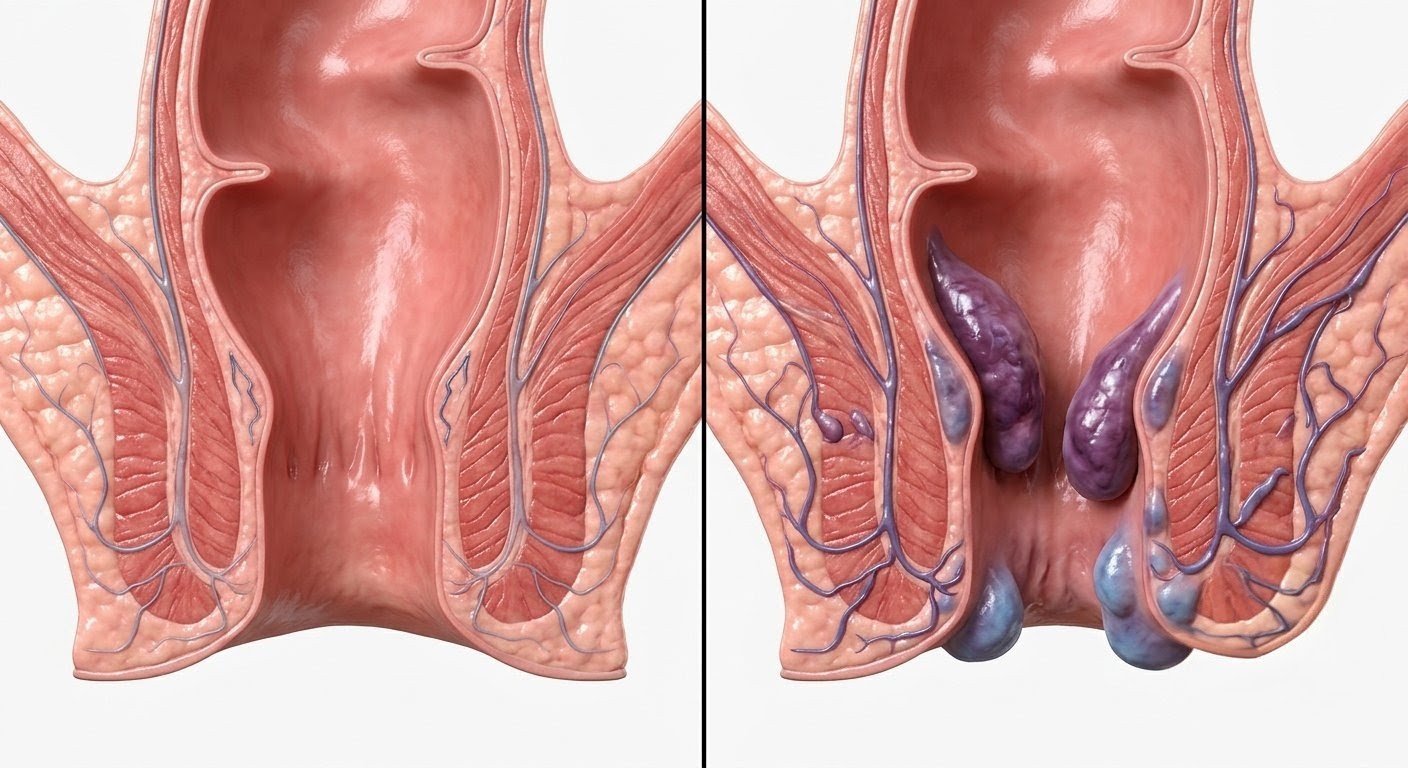
Piles, also called hemorrhoids, are swollen veins inside or around the anus.
These swollen veins may bleed during bowel movements and sometimes cause a soft lump around the anus.
Common Symptoms of Piles
- Bright red blood while passing stools
- Itching around the anus
- Swelling or a soft lump
- Mild discomfort while sitting
- Feeling of incomplete bowel emptying
Pain is usually mild unless the piles become swollen or develop a blood clot.
What Is an Anal Fissure?
An anal fissure is a small tear in the skin lining the anus. It often develops after passing a hard stool or because of long-term constipation.
Think of it like a paper cut. Even a tiny tear can cause severe pain.
Common Symptoms of Anal Fissure
- Sharp, cutting pain during bowel movements
- Pain that continues for several minutes or even hours afterward
- Small amount of bright red bleeding
- Burning sensation
- Fear of passing stools because of pain
Pain is usually the most noticeable symptom.
What Is an Anal Fistula?
An anal fistula is a small tunnel that forms between the inside of the anal canal and the skin around the anus. It usually develops after an infection or an anal abscess.
Unlike piles or fissures, a fistula often causes persistent discharge.
Common Symptoms of Anal Fistula
- Persistent pus or fluid discharge
- Swelling around the anus
- Pain while sitting
- Recurrent abscesses
- Bad smell from the discharge
- Fever in some cases
A fistula rarely heals on its own and often requires a surgical procedure.
Quick Comparison: Piles vs Fissure vs Fistula
|
|
|
|
|
|
|
|
|
|
|
|
|
|
|
|
|
|
|
|
|
|
|
|
|
|
|
|
|
|
|
|
|
|
|
What Causes These Conditions?
Although the symptoms may seem similar, the causes are different.
Piles
- Chronic constipation
- Straining during bowel movements
- Pregnancy
- Obesity
- Long sitting hours
Anal Fissure
- Hard stools
- Chronic constipation
- Repeated diarrhoea
- Straining during bowel movements
Anal Fistula
- Infection near the anus
- Untreated anal abscess
- Certain inflammatory bowel diseases (in some patients)
Understanding the cause helps doctors choose the right treatment.
Can These Problems Heal Without Treatment?
It depends on the condition.
- Mild piles and anal fissures may improve with medicines, dietary changes, and lifestyle modifications under medical guidance.
- Anal fistulas usually do not heal on their own and often require surgery to remove the infected tunnel.
A proper diagnosis is important before starting treatment.
When Should You Visit a Doctor?
Do not ignore symptoms if you experience:
- Bleeding during bowel movements
- Severe pain while passing stools
- A lump near the anus
- Pus or foul-smelling discharge
- Fever with swelling
- Symptoms that continue for several days or keep returning
Early treatment can help prevent complications and reduce discomfort.
Modern Treatment Options
Treatment depends entirely on the diagnosis.
Your doctor may recommend:
- Lifestyle and dietary advice
- Medicines
- Minor procedures
- Laser treatment for piles
- Laser fissure treatment
- Laser fistula surgery
- Conventional surgery when appropriate
Modern laser procedures may offer benefits such as smaller wounds, less pain, and quicker recovery for selected patients, depending on the condition and clinical evaluation.
Expert Care Makes the Difference
Many patients believe every anal problem is piles, but each condition requires a different treatment plan.
Dr. Naveen Kumar Anem, MBBS, DNB (General Surgery), FMAS, FIAGES, Laparoscopic & GI Surgeon, provides comprehensive evaluation and advanced treatment for piles, anal fissures, and anal fistulas. By identifying the exact cause of your symptoms, he recommends the most appropriate treatment to help you recover safely and comfortably.
Why Early Diagnosis Is Important
✔ Identifies the correct condition quickly
✔ Prevents unnecessary pain and complications
✔ Helps choose the most effective treatment
✔ Supports faster recovery and better outcomes
✔ Avoids self-treatment based on incorrect assumptions
Final Thoughts
Pain, bleeding, or swelling near the anus should never be ignored or self-diagnosed.
Although piles, anal fissures, and anal fistulas may seem similar, they are different conditions that require different treatments. Early diagnosis can reduce pain, prevent complications, and improve recovery.
If you notice persistent symptoms, consult an experienced colorectal specialist for the right evaluation and treatment.
Book Yout Appointment Today
Doctor Review
Medically Reviewed by Dr. Naveen Kumar Anem
MBBS, DNB (General Surgery), FMAS, FIAGES
Laparoscopic & GI Surgeon
This article has been medically reviewed by Dr. Naveen Kumar Anem to ensure the information is medically accurate, evidence-based, and easy for patients to understand. Our goal is to provide reliable healthcare information that helps people recognise symptoms early and seek the right treatment.