Piles – A Heavy Price Paid for Modern Diet Habits | Symptoms, Causes & Treatment
Piles – A Heavy Price Paid for Modern Diet Habits: Causes, Symptoms, Treatment & Recovery
Introduction: Is Your Modern Diet Taking a Toll?
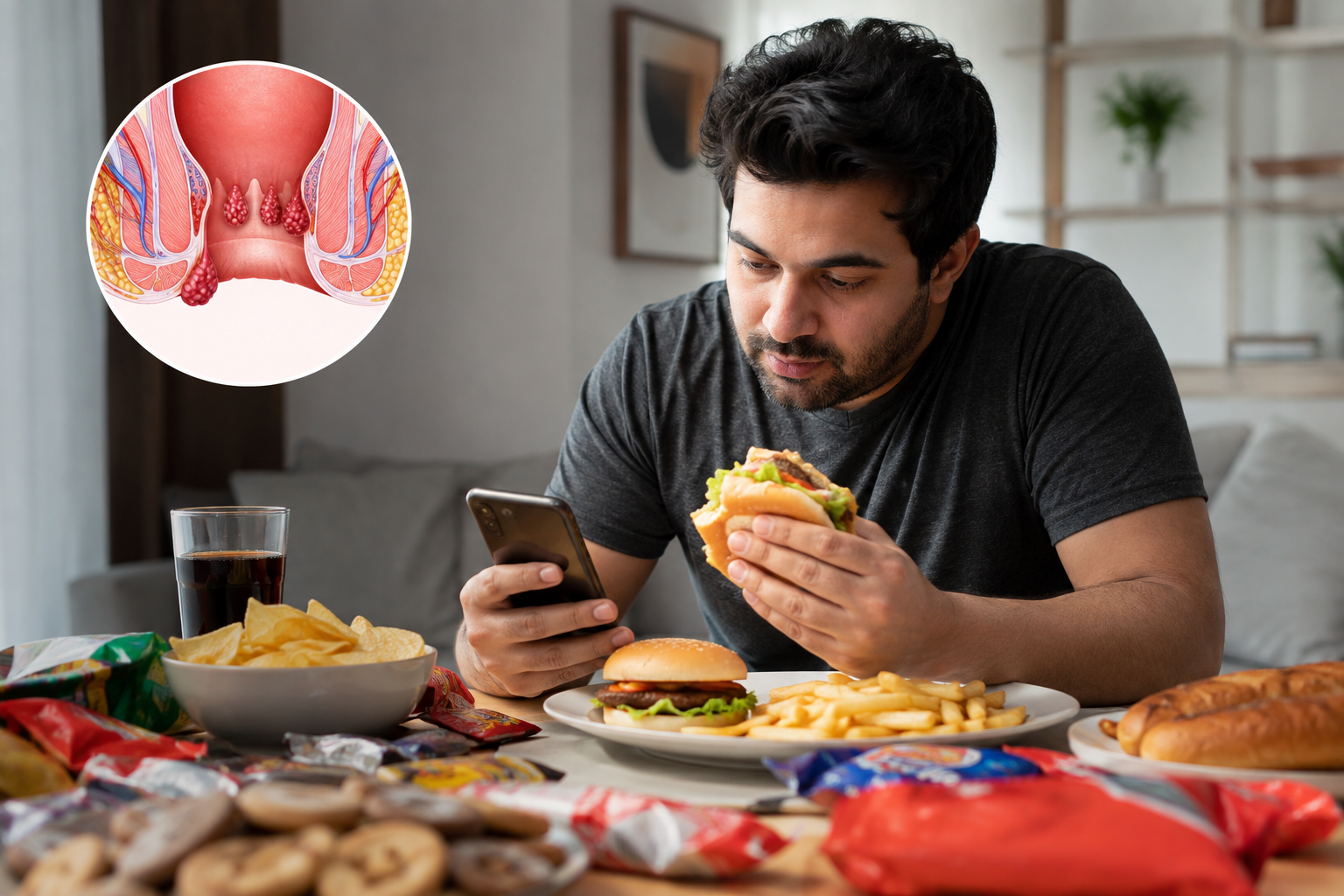
Fast food, packaged snacks, refined foods and long hours of sitting have become part of everyday life for many people. But while these habits may save time, they can sometimes create problems for your digestive system.
One such problem is piles, also called hemorrhoids.
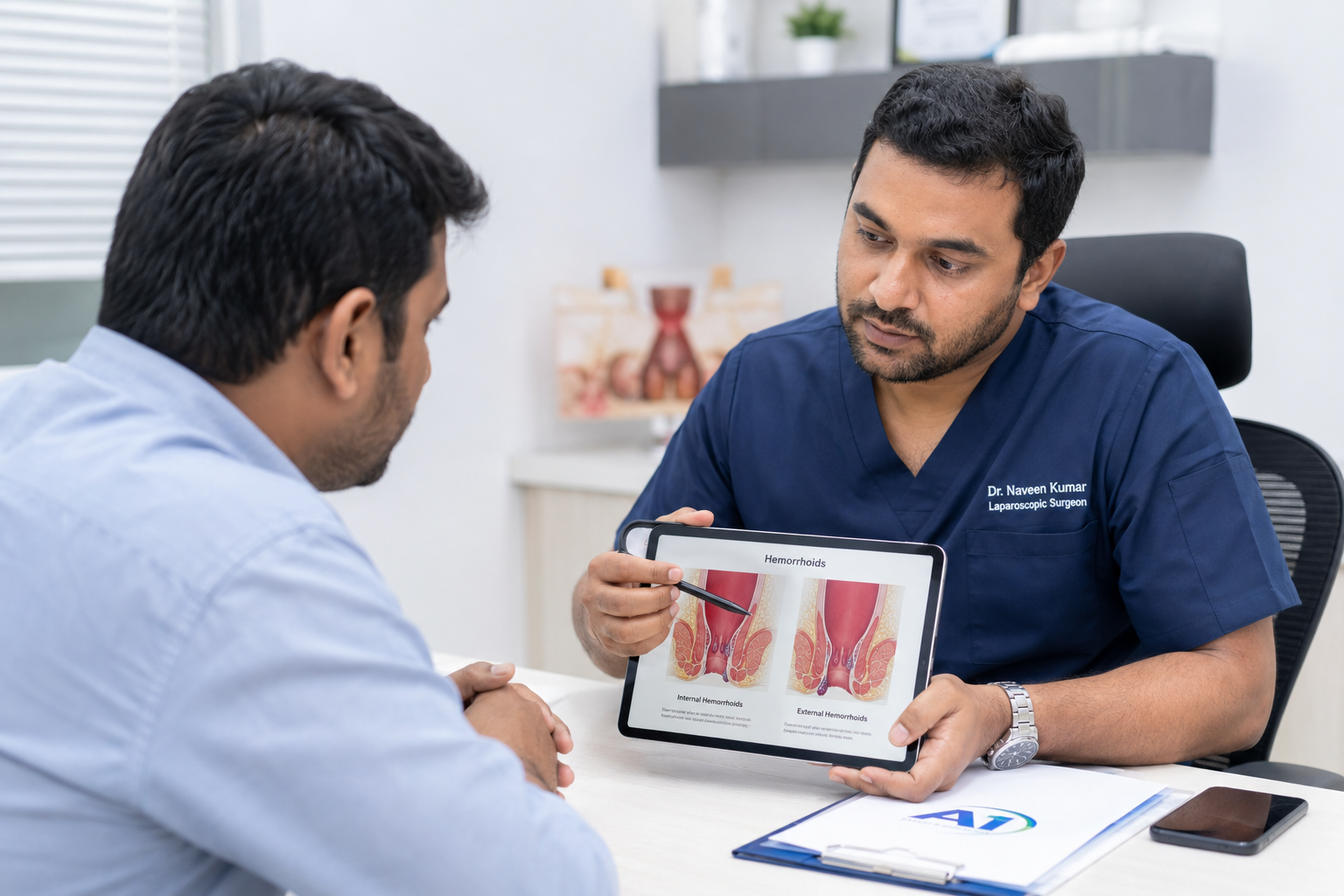
Piles are swollen and inflamed veins around the anus or in the lower rectum. They can develop inside the rectum (internal piles) or under the skin around the anus (external piles).
A diet that is low in fiber can contribute to constipation. Constipation may make a person strain during bowel movements, increasing pressure in the area and contributing to hemorrhoid problems.
The good news is that piles are treatable, and early medical advice can prevent the problem from becoming more troublesome.
What Are Piles?
Piles are swollen blood vessels and supporting tissues in the anal and lower rectal area.
They are commonly divided into:
- Internal piles – develop inside the rectum.
- External piles – develop under the skin around the anus.
Not every person with piles has pain. Internal piles, for example, may mainly cause bleeding, while external piles can cause pain, itching or a tender lump.
Piles Symptoms You Should Not Ignore
The symptoms can vary depending on the type and severity of piles.
Common piles symptoms include:
- Bright-red blood during or after passing stool
- Itching around the anus
- Pain or discomfort
- A lump near the anus
- Swelling around the anal area
- A feeling that something is coming out during bowel movements
- Difficulty keeping the area clean
Rectal bleeding should not automatically be assumed to be piles. Other bowel conditions can also cause bleeding, so medical evaluation is important.
Causes: How Modern Diet Habits Can Play a Role
Modern eating habits do not directly cause every case of piles, but they can contribute to conditions that increase the risk.
1. Low-fiber diet
Many processed and fast foods contain little fiber. A low-fiber diet can contribute to hard stools and constipation.
2. Constipation and straining
When stool is hard, people may push harder to empty their bowel. Repeated straining increases pressure around the anal area and can contribute to hemorrhoids.
3. Spending too long on the toilet
Sitting on the toilet for long periods, especially while using a phone, can become a regular habit. Long toilet sitting is associated with hemorrhoid problems.
4. Chronic diarrhea
Piles are not only linked with constipation. Frequent diarrhea can also irritate the anal area and contribute to symptoms.
5. Sedentary lifestyle
Long periods of sitting and low physical activity can go along with unhealthy bowel habits and constipation.
Other factors can include pregnancy, aging and frequent heavy lifting.
Diagnosis: How Are Piles Confirmed?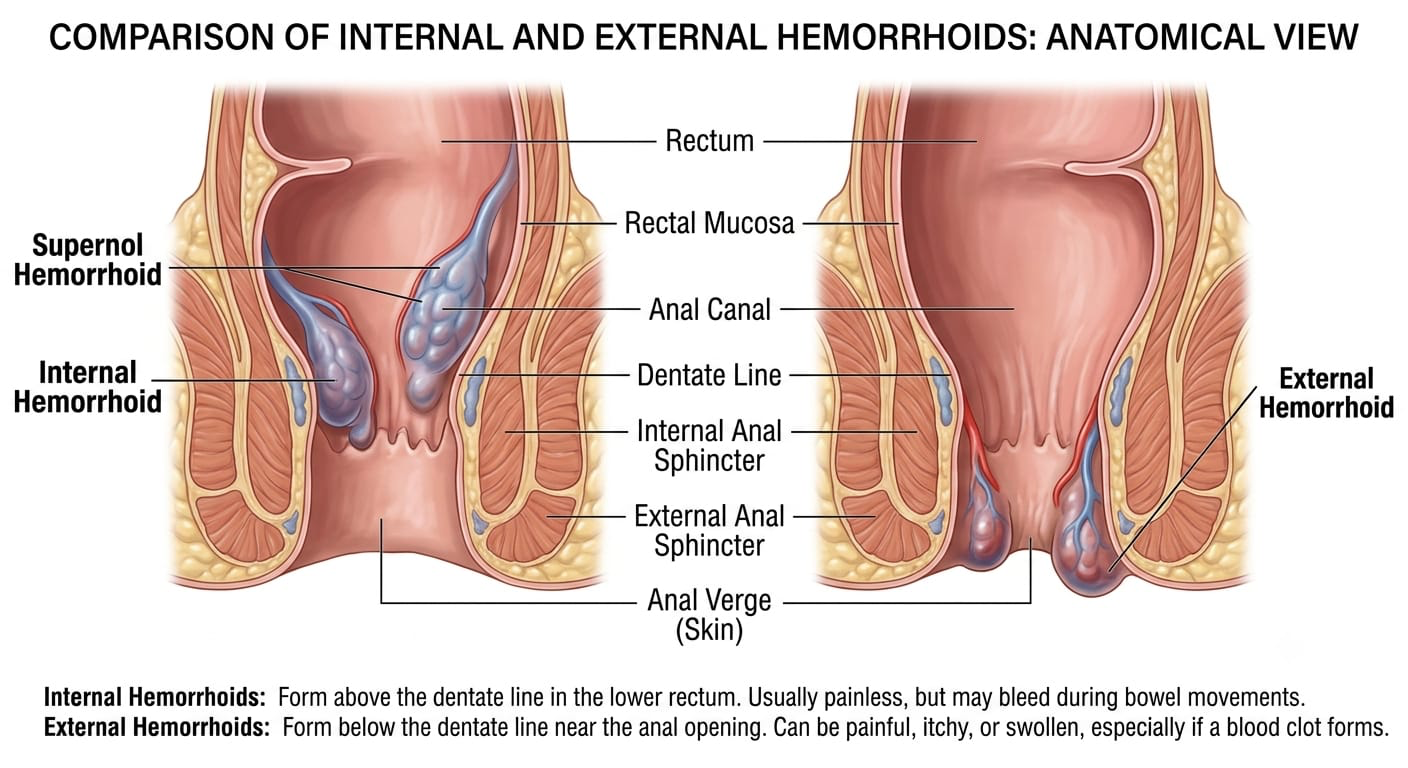
A doctor will first ask about your symptoms, bowel habits, diet and medical history.
The examination may include checking the anal area and, when needed, a digital rectal examination or anoscopy to look inside the anus and lower rectum.
If you have rectal bleeding, your doctor may decide whether additional tests are needed based on your age, symptoms, medical history and examination.
Do not self-diagnose every episode of rectal bleeding as piles.
Treatment: Piles Do Not Always Mean Surgery
The right piles treatment depends on the type and severity of the condition.
Mild cases may improve with changes in bowel habits, increased dietary fiber and appropriate medical treatment.
When symptoms continue or piles become more advanced, doctors may recommend procedures such as:
- Rubber band ligation
- Sclerotherapy
- Infrared treatment
- Other minimally invasive procedures
- Hemorrhoidectomy for selected severe cases
Treatment should be chosen after proper examination rather than simply following advice from the internet or using home remedies without medical guidance.
Recovery: What Can Patients Expect?
Recovery depends on the treatment used and the severity of the piles.
After treatment, patients are generally advised to follow their doctor's instructions regarding bowel habits, activity, medicines and follow-up care.
The goal is not simply to remove the current problem but also to address factors such as constipation and straining that may contribute to recurring symptoms.
Complications: What Happens If Piles Are Ignored?
Many cases of piles are manageable, but persistent or severe disease should not be ignored.
Possible complications can include:
- Blood clots in an external hemorrhoid
- Persistent bleeding
- Anemia in some cases
- Prolapsed hemorrhoids
- Severe pain or swelling
- Strangulated hemorrhoids in certain situations
Seek urgent medical attention if you experience severe anal pain with rectal bleeding, particularly when accompanied by abdominal pain, diarrhea or fever.
Benefits of Getting Piles Checked Early
Getting evaluated early can help you:
- Understand the actual cause of your symptoms
- Identify the type and severity of piles
- Start suitable treatment sooner
- Avoid unnecessary self-medication
- Address constipation and harmful bowel habits
- Reduce the chance of symptoms becoming more troublesome
Remember: bleeding from the rectum deserves medical attention, even when you think it is caused by piles.
Don't Let Your Daily Habits Become Tomorrow's Problem
Your body often gives small warnings before a problem becomes bigger.
If constipation, straining, bleeding, itching or pain during bowel movements has become part of your routine, do not simply ignore it or assume it is piles.
A proper examination can help identify the problem and guide you toward the right treatment.
Looking for a Piles Doctor in Visakhapatnam?
Consult Dr. Naveen Kumar Anem, MBBS, DNB (General Surgery), FMAS, FIAGES, Laparoscopic & GI Surgeon for evaluation and guidance regarding piles and other gastrointestinal conditions.
Don't let an uncomfortable problem control your daily life. Take the first step toward getting the right medical advice.
👨⚕️ Doctor Reviewed
This blog has been medically reviewed by Dr. Naveen Kumar Anem, MBBS, DNB (General Surgery), FMAS, FIAGES, Laparoscopic & GI Surgeon.
Medical information is provided for educational purposes and should not replace an in-person medical consultation. Treatment should be based on individual examination and medical advice.