
Bariatric Surgery & Weight Loss: Benefits, Eligibility & Treatment | Vizag

Bariatric Surgery & Weight Loss: Lose More Than Weight—Gain a Healthier, Happier Life
Have you tried dieting, exercising, or taking weight loss medicines but still struggle to lose weight? You're not alone. Many people work hard but find that obesity continues to affect their health and daily life.
Obesity is more than just gaining extra weight. It can increase the risk of diabetes, high blood pressure, heart disease, sleep problems, joint pain, and many other health conditions.
The good news is that Bariatric Surgery, also known as Weight Loss Surgery, has helped millions of people around the world lose excess weight safely and improve their overall health.
Let's understand everything about Bariatric Surgery in a simple and easy-to-read way.
What Is Bariatric Surgery?
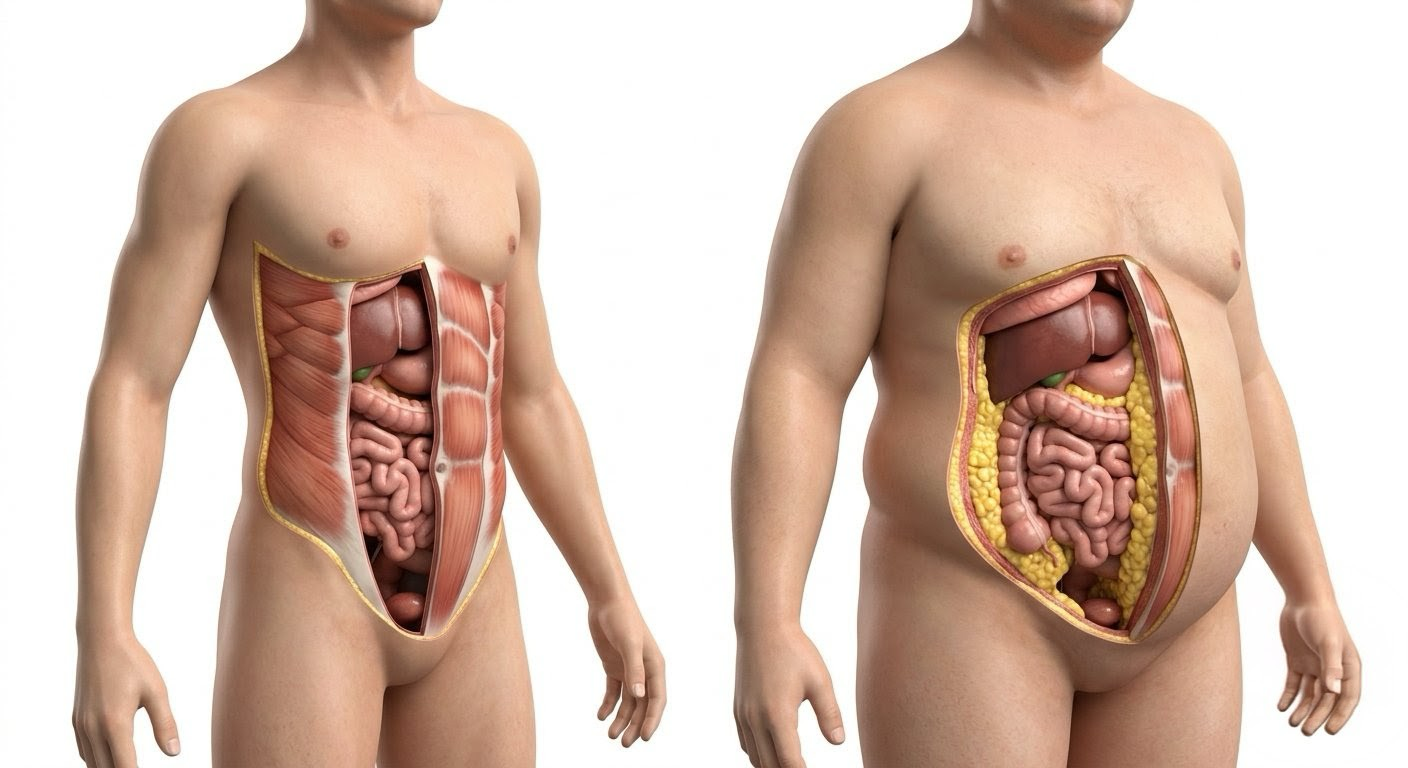
Bariatric Surgery is a group of surgical procedures designed to help people with severe obesity lose weight when diet, exercise, and lifestyle changes have not been successful.
The surgery works by:
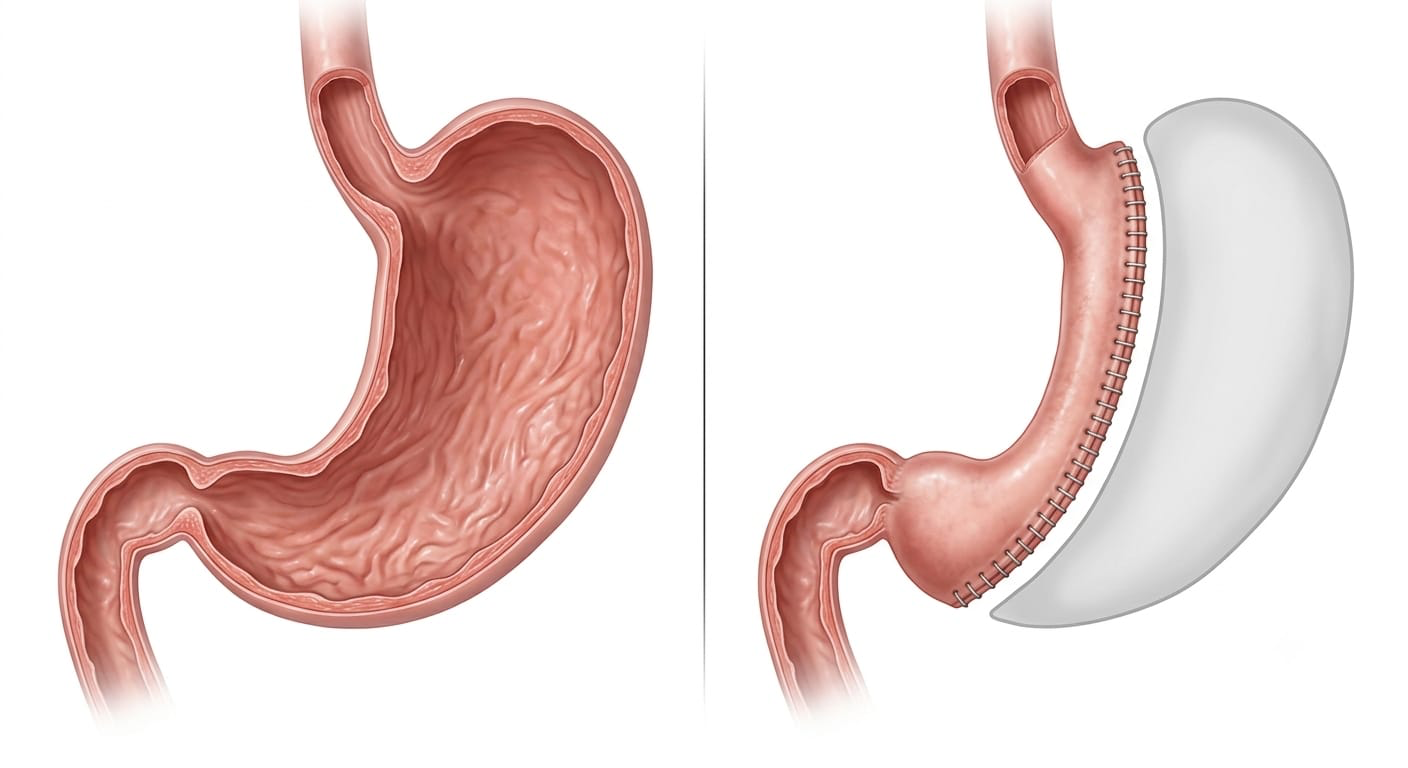
- Reducing the size of the stomach
- Helping you feel full after eating smaller meals
- Reducing calorie intake
- Improving metabolism in many patients
It is not a shortcut to weight loss. Instead, it is a medical treatment that works best when combined with healthy eating, regular exercise, and long-term lifestyle changes.
Who May Benefit from Weight Loss Surgery?
Doctors usually consider Weight Loss Surgery for people who:
- Have a Body Mass Index (BMI) of 40 or higher
- Have a BMI of 35 or higher with obesity-related conditions such as Type 2 Diabetes, High Blood Pressure, Sleep Apnea, or severe joint pain
- Have tried non-surgical weight loss methods without long-term success
- Are committed to following lifestyle changes after surgery
Your doctor will evaluate your health and decide whether bariatric surgery is suitable for you.
Common Types of Bariatric Surgery
Sleeve Gastrectomy (Gastric Sleeve Surgery)
This is one of the most commonly performed Weight Loss Surgeries. A large portion of the stomach is removed, leaving a smaller, sleeve-shaped stomach that helps you eat less.
Gastric Bypass Surgery
This procedure creates a small stomach pouch and changes the path of food through the digestive system. It helps reduce food intake and calorie absorption.
Other Bariatric Procedures
Depending on your health condition, your surgeon may recommend another procedure that best suits your needs.
Benefits of Bariatric Surgery
Besides helping with weight loss, bariatric surgery can improve overall health and quality of life.
Some important benefits include:
- Significant long-term weight loss
- Better control of Type 2 Diabetes
- Lower blood pressure
- Improvement in sleep apnea
- Reduced joint pain
- Increased energy
- Better mobility
- Improved confidence and emotional well-being
Many patients also find it easier to participate in daily activities after losing excess weight.
How Is Bariatric Surgery Performed?
Most Weight Loss Surgeries today are performed using Laparoscopic Surgery, also called minimally invasive surgery.
During the procedure:
- Small cuts are made instead of one large incision
- A tiny camera guides the surgeon
- Special surgical instruments are used
- The operation is performed with greater precision
This modern approach usually results in less pain and quicker recovery.
Benefits of Laparoscopic Bariatric Surgery
Compared with traditional open surgery, laparoscopic surgery offers several advantages:
- Smaller cuts
- Less pain
- Minimal blood loss
- Lower infection risk
- Smaller scars
- Shorter hospital stay
- Faster recovery
- Earlier return to normal activities
Is Bariatric Surgery Safe?

Like any surgery, bariatric procedures have risks. However, modern Laparoscopic Bariatric Surgery is considered safe when performed by an experienced surgeon after careful evaluation.
Your healthcare team will explain the benefits, possible risks, and expected recovery before surgery.
What Happens After Surgery?
Recovery is only the beginning of your weight loss journey.
After surgery, patients are advised to:
- Follow the recommended diet plan
- Eat slowly and chew food well
- Drink enough water
- Take prescribed vitamins and supplements
- Exercise regularly
- Attend follow-up appointments
These healthy habits help achieve the best long-term results.
Can Weight Return After Bariatric Surgery?
Yes, some weight regain is possible if healthy habits are not maintained.
The surgery is a powerful tool, but long-term success depends on:
- Healthy eating
- Regular physical activity
- Routine medical follow-up
- Following your doctor's advice
When Should You Consult a Bariatric Surgeon?

You should speak with a specialist if:
- Obesity is affecting your daily life
- Diet and exercise have not worked
- You have obesity-related health conditions
- Your weight continues to increase despite your efforts
An early consultation helps you understand all available treatment options.
Expert Bariatric Care Matters
Every patient has unique health needs. A detailed evaluation helps determine the safest and most effective treatment.
Dr. Naveen Kumar Anem, MBBS, DNB (General Surgery), FMAS, FIAGES, Laparoscopic & GI Surgeon, provides comprehensive assessment and personalized treatment plans for patients considering Bariatric Surgery. With expertise in advanced minimally invasive surgery, he focuses on safe procedures, faster recovery, and long-term health improvement.
Final Thoughts
Bariatric Surgery is much more than a weight loss procedure. It is a scientifically proven treatment for people living with severe obesity who have not achieved lasting results through diet and exercise alone.
When combined with healthy lifestyle changes, Weight Loss Surgery can help improve overall health, reduce obesity-related diseases, and enhance quality of life.
If obesity is affecting your health or confidence, consult an experienced bariatric surgeon to understand whether this treatment is right for you.
Why Consider Early Treatment for Obesity?
✔ Reduces the risk of diabetes and heart disease
✔ Improves mobility and joint health
✔ Helps control blood pressure and sleep apnea
✔ Supports long-term weight management
✔ Improves overall quality of life and confidence
Doctor Review
Medically Reviewed by Dr. Naveen Kumar Anem
MBBS, DNB (General Surgery), FMAS, FIAGES
Laparoscopic & GI Surgeon
This article has been medically reviewed by Dr. Naveen Kumar Anem to ensure the information is accurate, evidence-based, and easy to understand. Our goal is to provide reliable healthcare information that helps patients make informed decisions about their health and treatment options.