
Bariatric surgery has become one of the most effective and medically approved treatments for obesity. However, many people still hesitate because they have heard myths or misleading information. These myths can create fear, confusion, and unnecessary doubts. In this blog, we will reveal the most common bariatric surgery myths and uncover the real facts based on medical expertise.
This detailed guide breaks down how bariatric surgery works, who it’s for, what benefits it offers, and the lifestyle changes needed for long-term success.
Myth 1: Bariatric Surgery Is Only for “Very Overweight” People
Fact: Bariatric surgery is not only for extremely obese individuals.
Most people think only those with extremely high weight can qualify for bariatric surgery. However, the reality is different. Doctors generally recommend bariatric surgery for individuals with:
✔ BMI of 40 or higher
✔ BMI 35+ with health issues such as diabetes, high blood pressure, sleep apnea, or PCOS
This means that people who are not “morbidly obese” may still qualify if their weight is affecting their health. The goal of bariatric surgery is not just weight loss—it’s about improving overall health and preventing long-term complications.
Myth 2: Weight Loss Surgery Is a “Quick Fix”
Fact: Bariatric surgery is a medical tool, not magic.
Many believe bariatric surgery will melt away fat instantly. That’s not true. The procedure helps reduce stomach size, change digestion, and improve hormones, but patients must still commit to lifestyle changes.
Sustainable weight loss depends on:
Healthy eating habits
Regular physical activity
Follow-ups with your surgeon
Vitamin supplementation
Bariatric surgery makes weight loss easier, but the patient’s commitment makes it long-lasting
Myth 3: Bariatric Surgery Is Dangerous
Fact: Bariatric surgery is one of the safest surgeries today.
Thanks to advanced medical technology, bariatric procedures such as gastric sleeve and gastric bypass are performed laparoscopically with tiny incisions.
Studies show that bariatric surgery is as safe as gallbladder surgery and safer than knee replacement surgery.
Complications are rare when performed by experienced bariatric surgeons, and the success rate is extremely high.
Myth 4: You Can Never Eat Normally Again
Fact: Patients can enjoy all foods—just in a healthier way.
After bariatric surgery, there is a structured diet plan that moves from liquids to soft foods, and finally solid foods. But long term, patients can enjoy almost everything.
What changes is portion size and food choices. Instead of overeating or eating high-calorie junk food, patients shift toward:
Lean proteins
Fiber-rich vegetables
Balanced meals
Smaller portions
It’s not about restrictions—it’s about mindful and nutritious eating.
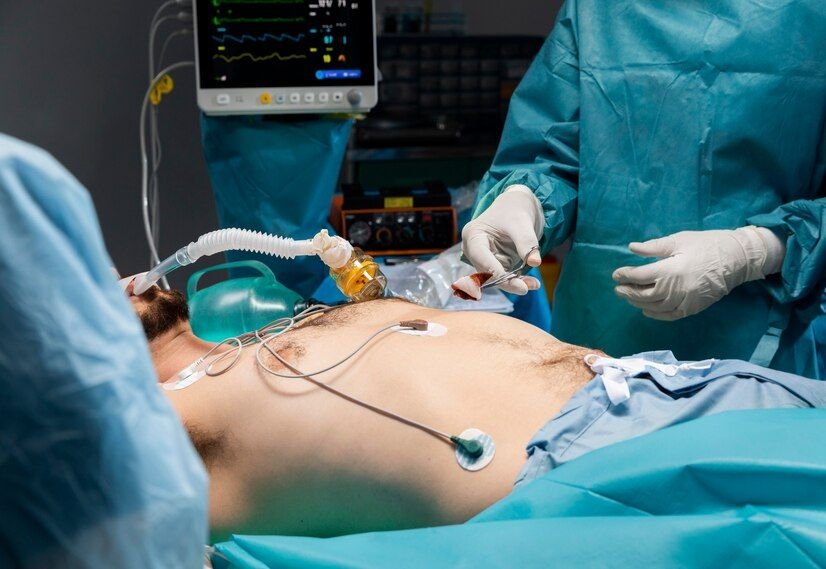
Myth 5: The Weight Will Come Back After Surgery
Fact: Most patients maintain long-term weight loss with proper follow-up.
It is true that some people regain weight, but this usually happens when they return to old unhealthy habits. When patients follow the guidelines:
✔ 60–80% excess weight loss is maintained
✔ Hormonal balance improves
✔ Appetite control becomes easier
Bariatric surgery resets the body’s metabolic system, making it easier to maintain weight long-term
Myth 6: Bariatric Surgery Causes Nutrient Deficiency
Fact: Deficiencies can be prevented with simple supplements.
Some bariatric procedures reduce nutrient absorption, but doctors prevent deficiencies through routine vitamins such as:
Vitamin B12
Iron
Calcium
Vitamin D
With regular checkups and supplements, patients stay healthy and energetic.
Final Thoughts
Bariatric surgery is a life-changing medical treatment that helps individuals lose weight, reverse chronic diseases, and improve their quality of life. Instead of believing myths, rely on medical facts, expert advice, and proven results. Weight loss surgery is safe, effective, and one of the most powerful tools against obesity.
1. Is bariatric surgery permanent?
Yes, procedures like gastric sleeve and gastric bypass create long-term changes. With a healthy lifestyle, results are permanent.
2. How much weight can I lose after surgery?
Most patients lose 60–70% of excess weight within the first 12–18 months.
3. Is the recovery painful?
Recovery is usually quick and minimally painful. Most people return to work within 1–2 weeks.
4. Can bariatric surgery help with diabetes or PCOS?
Yes, it improves insulin sensitivity and helps regulate hormones. Many patients see diabetes and PCOS symptoms improve significantly.
5. Can I have children after bariatric surgery?
Absolutely. Doctors recommend waiting 12–18 months before pregnancy for the best outcome.